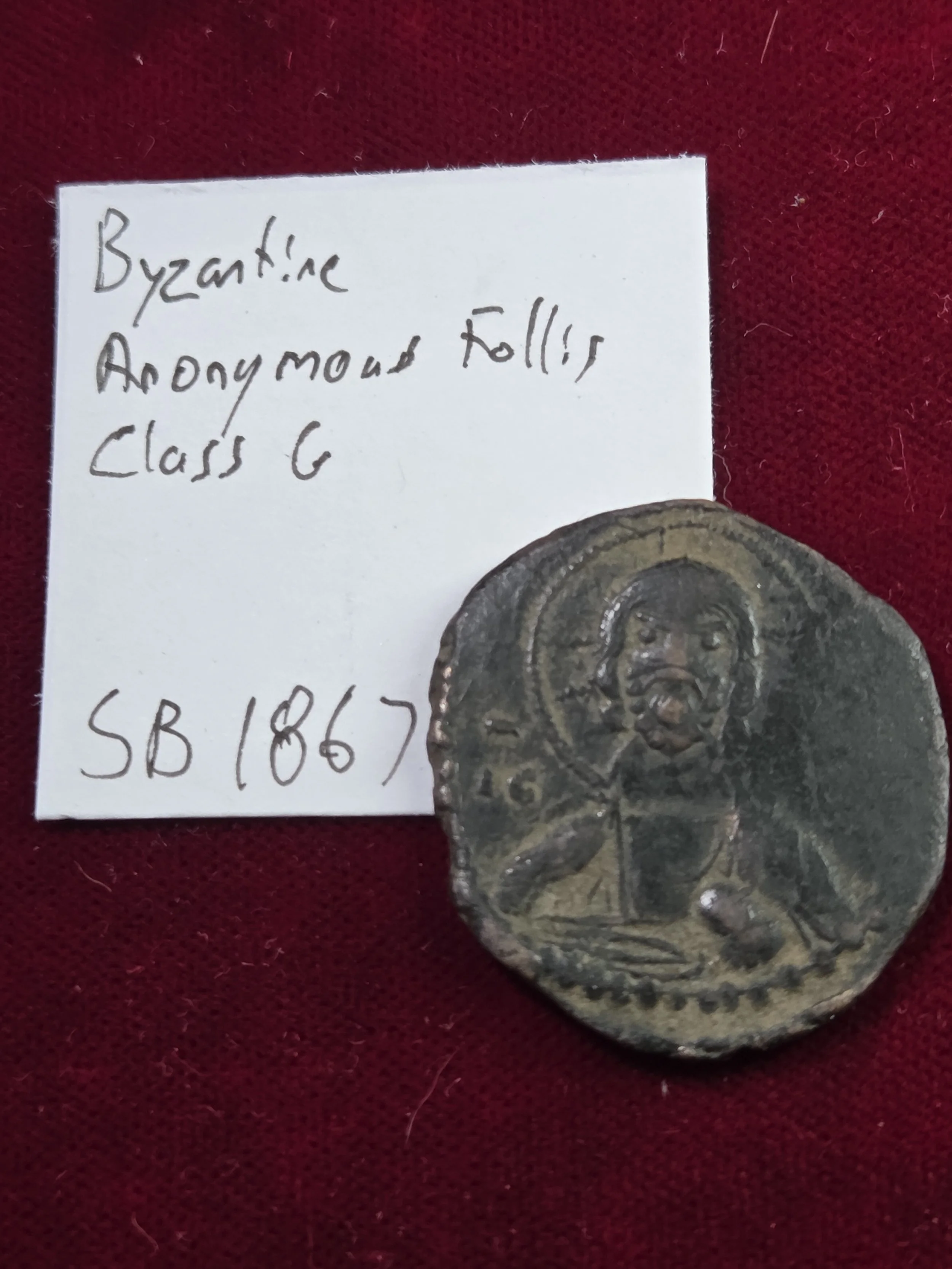
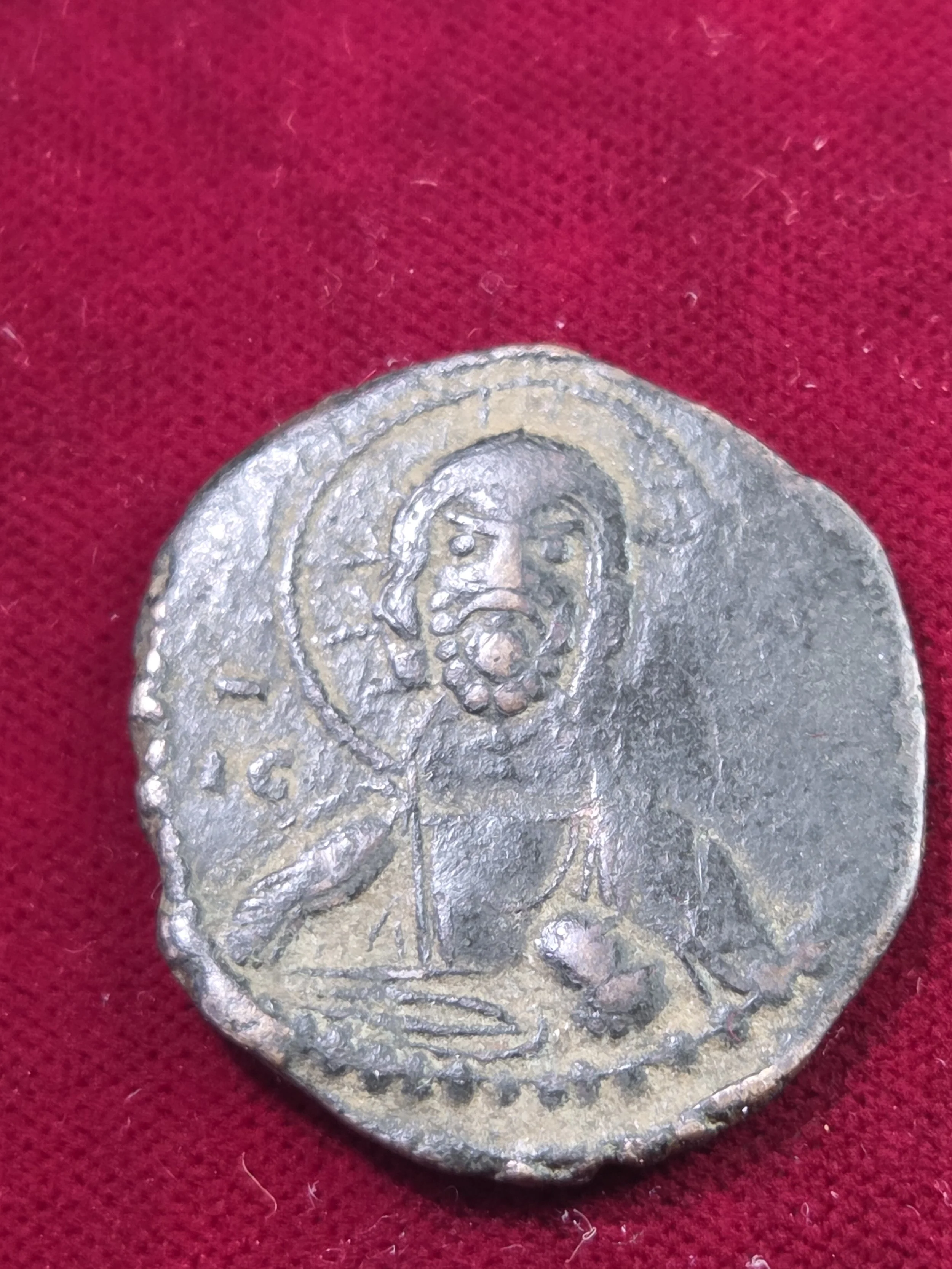
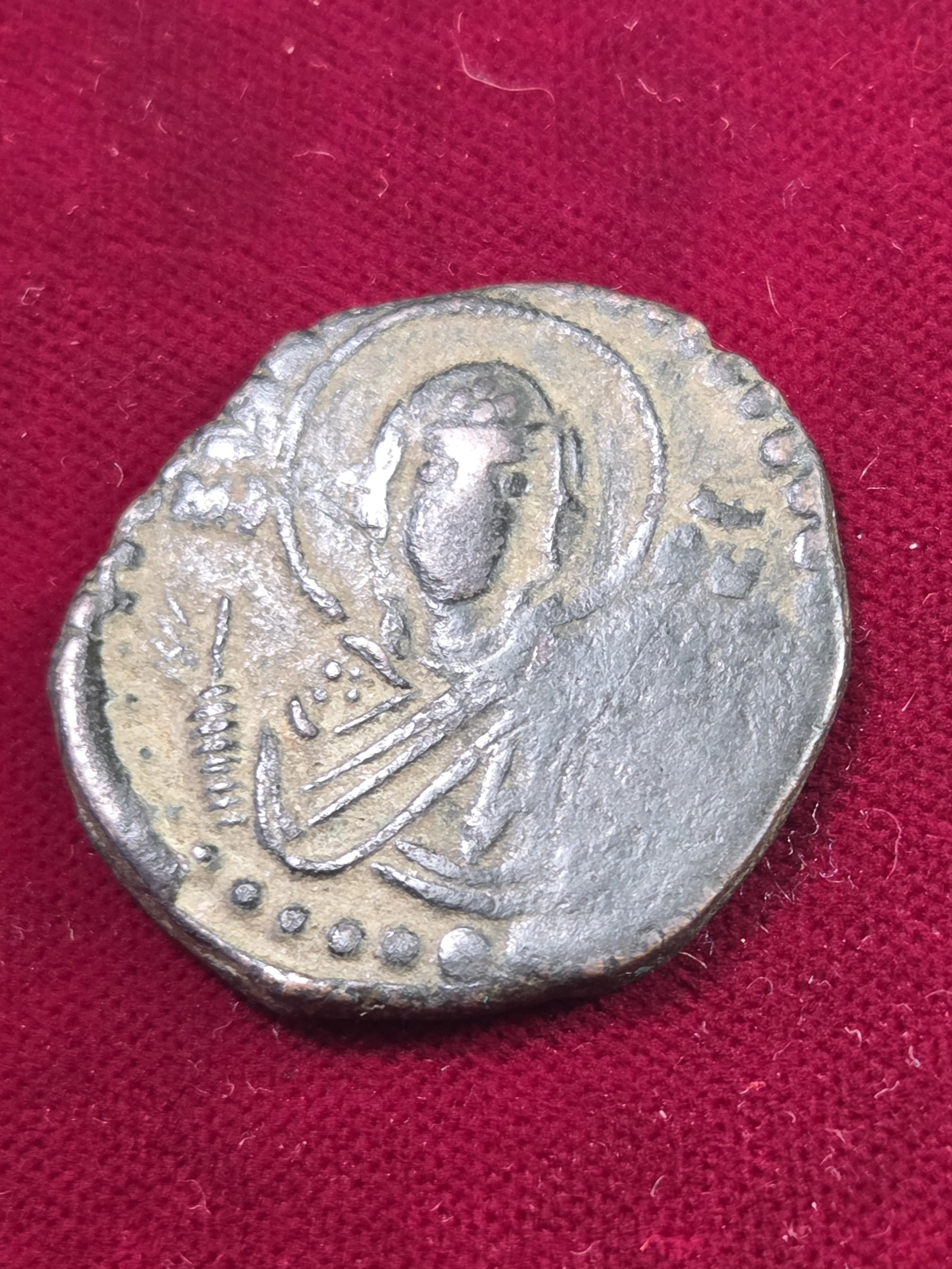
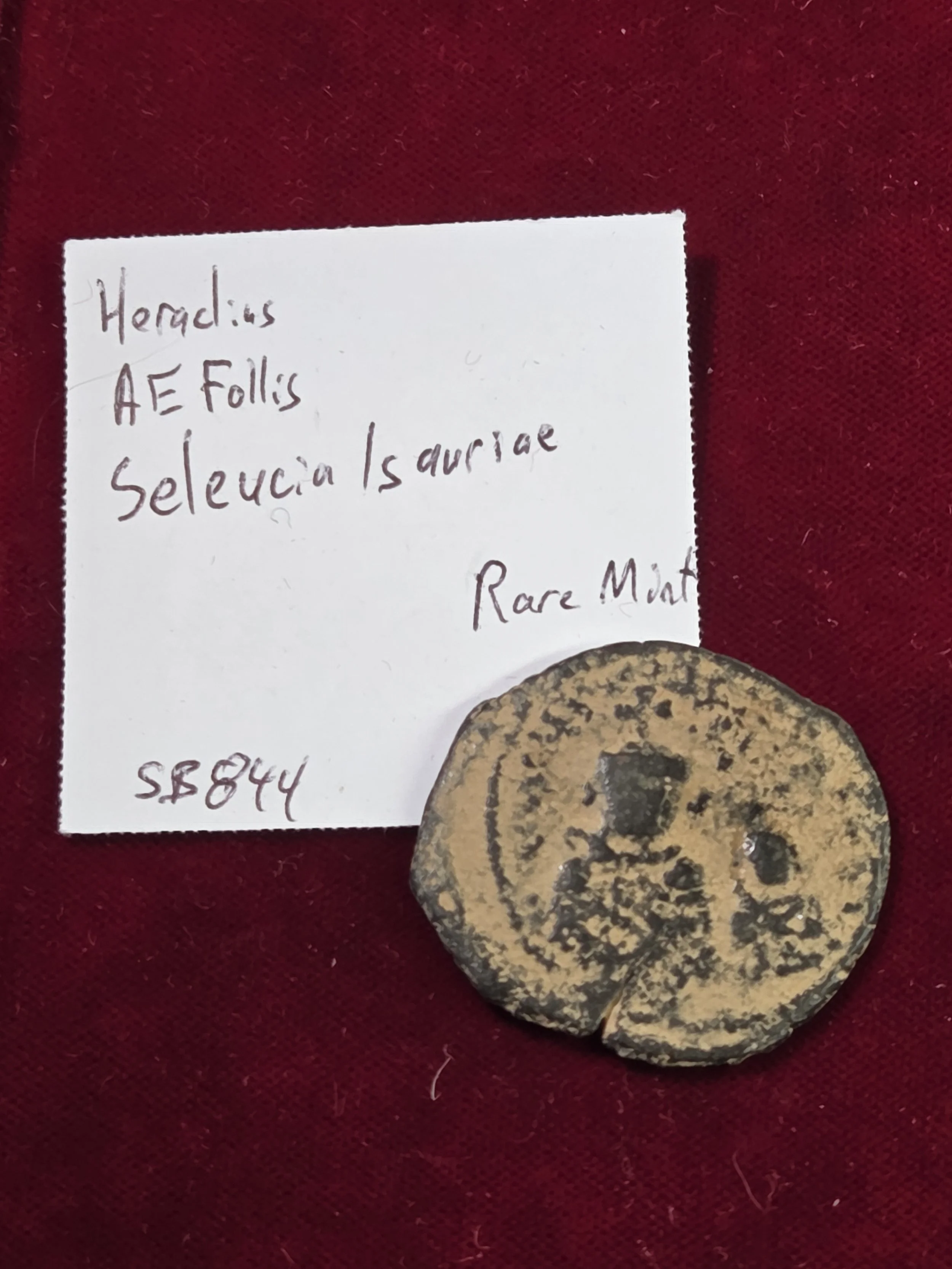
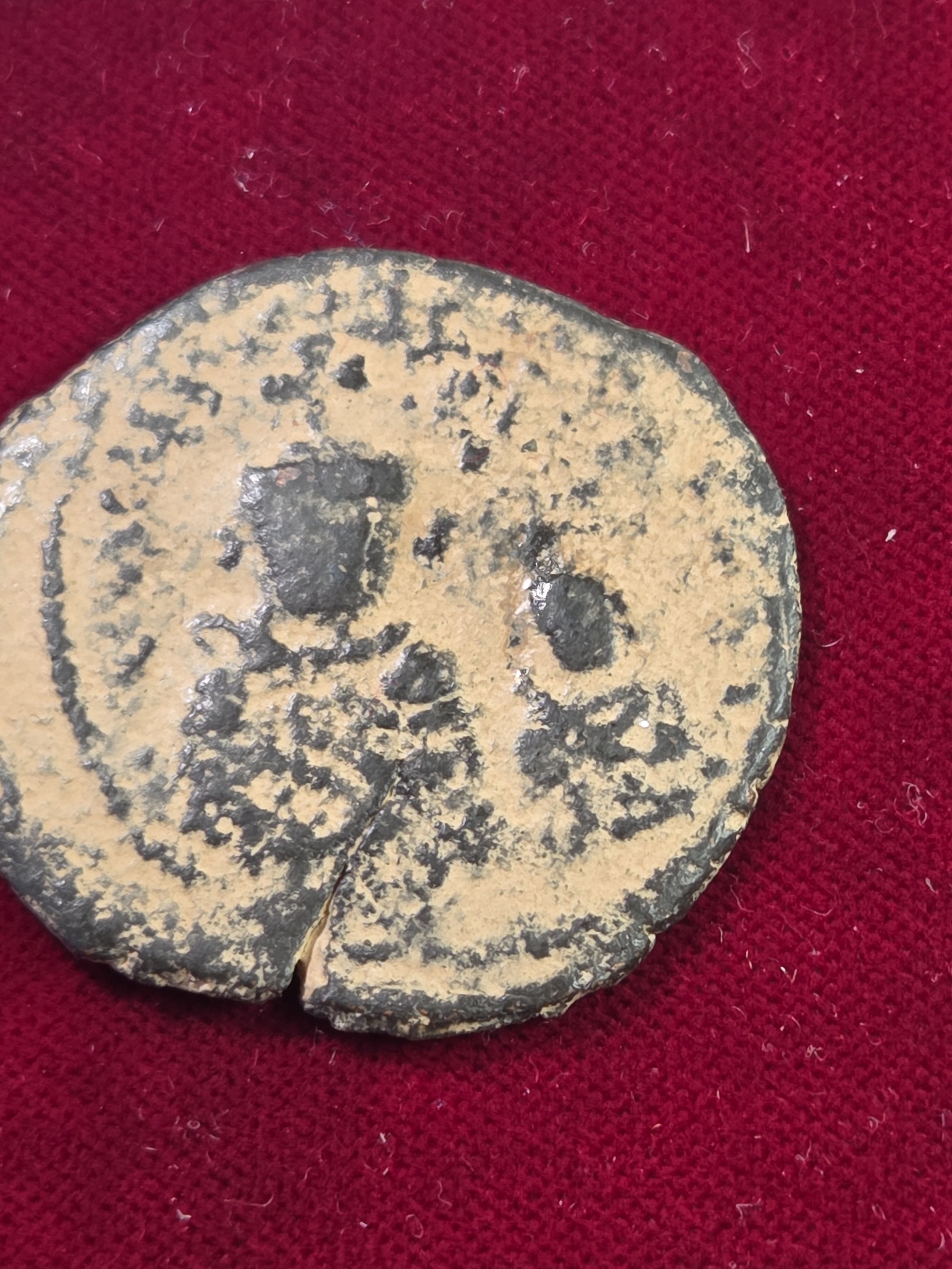
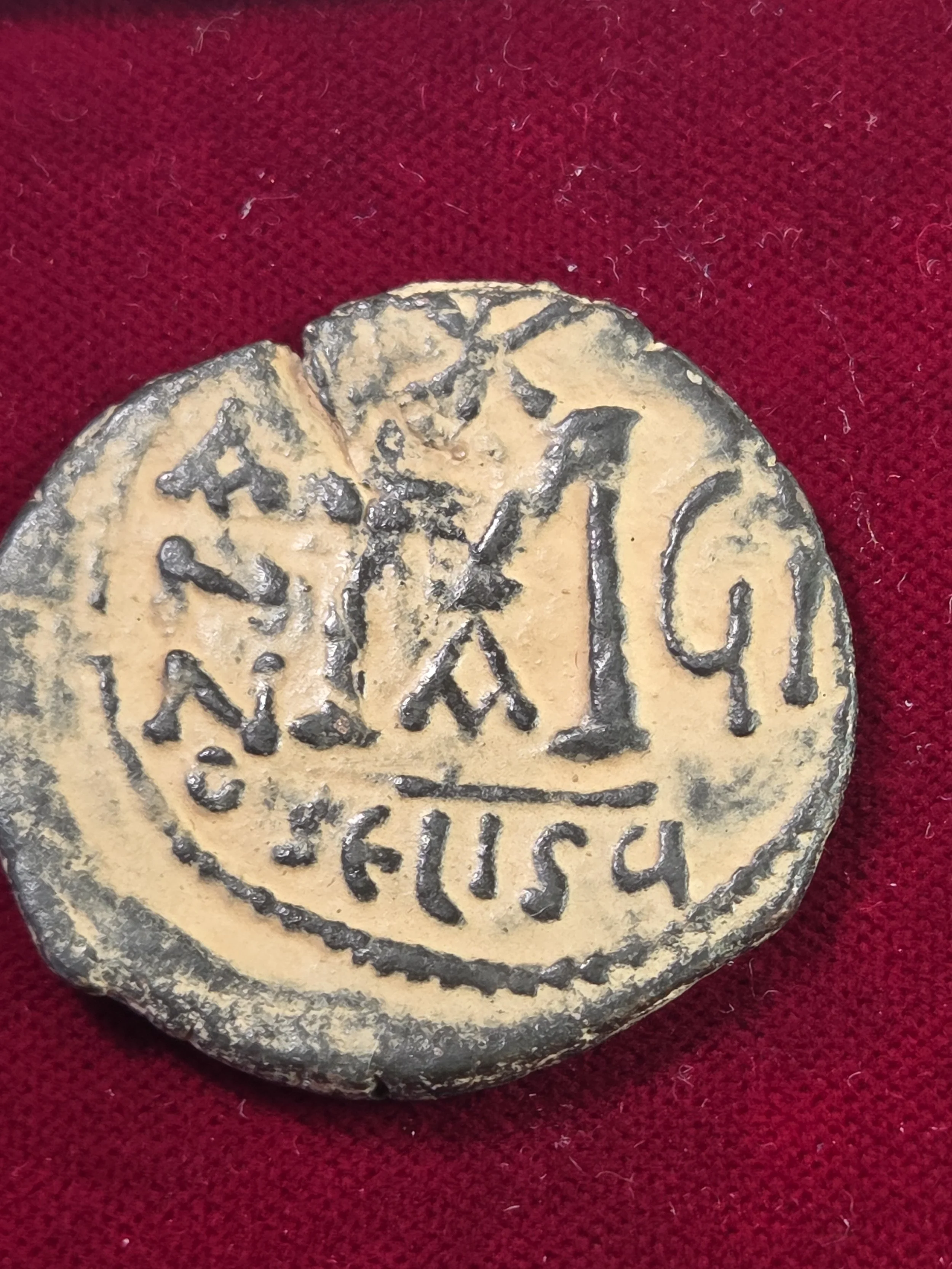
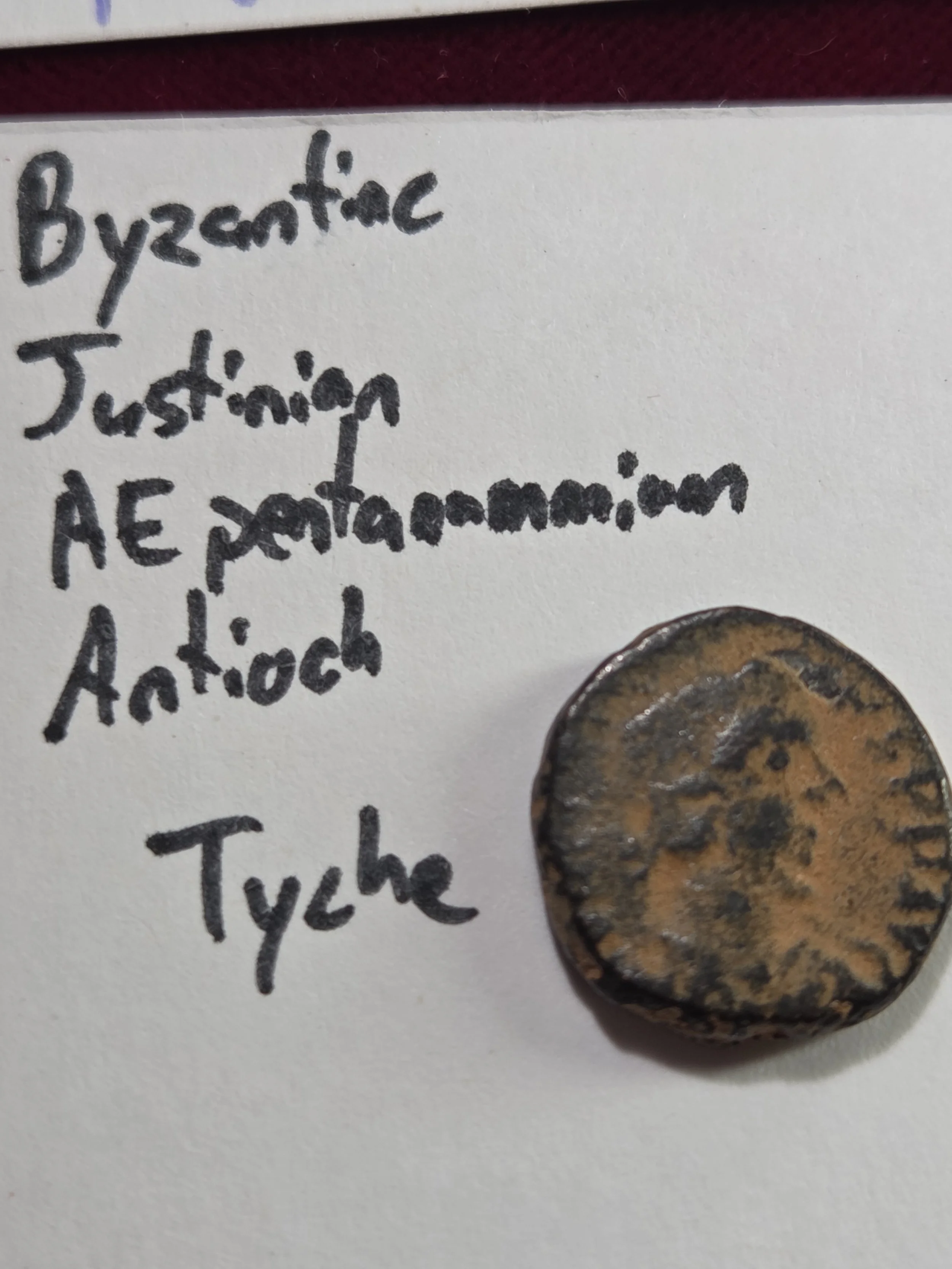
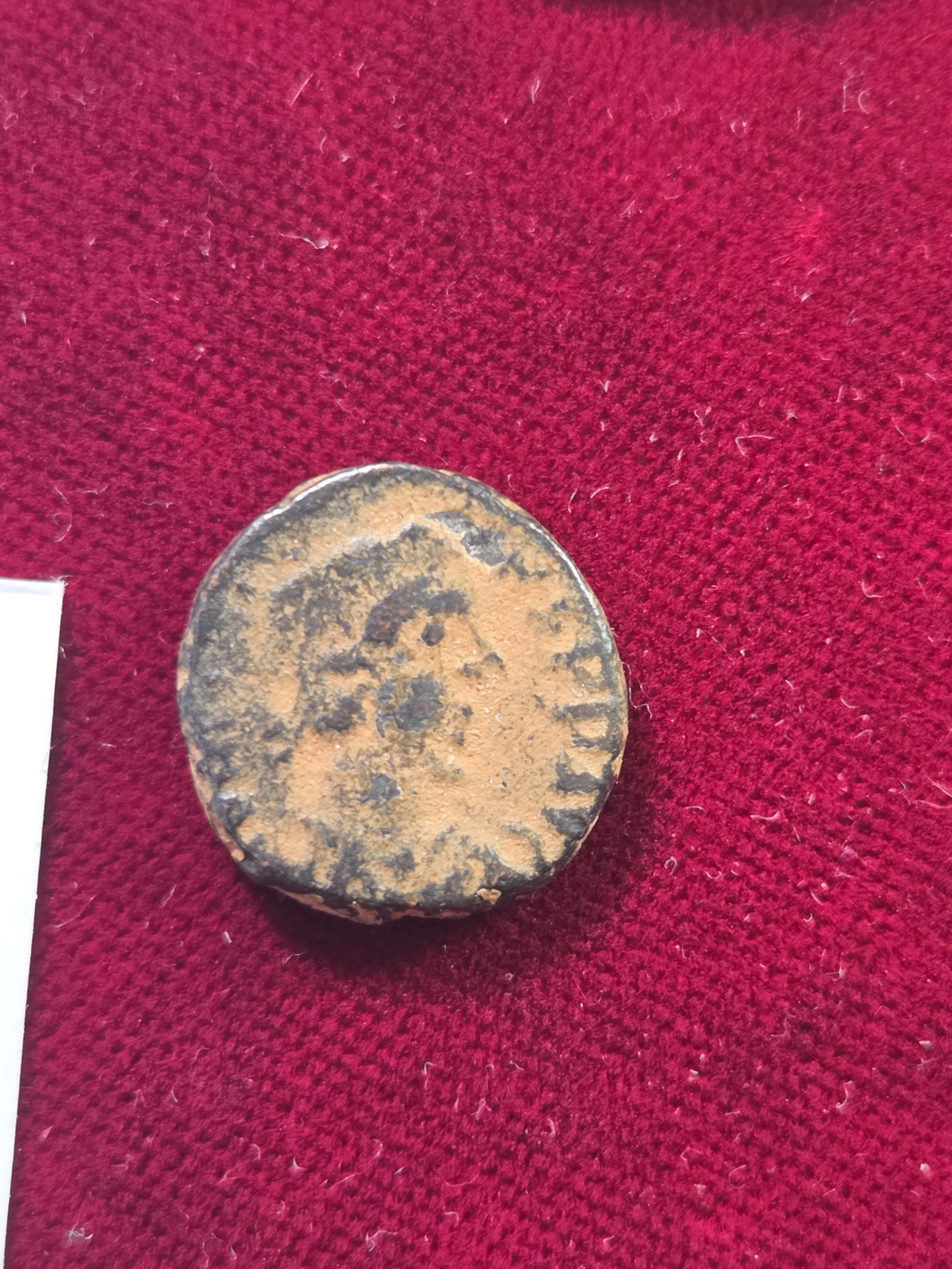
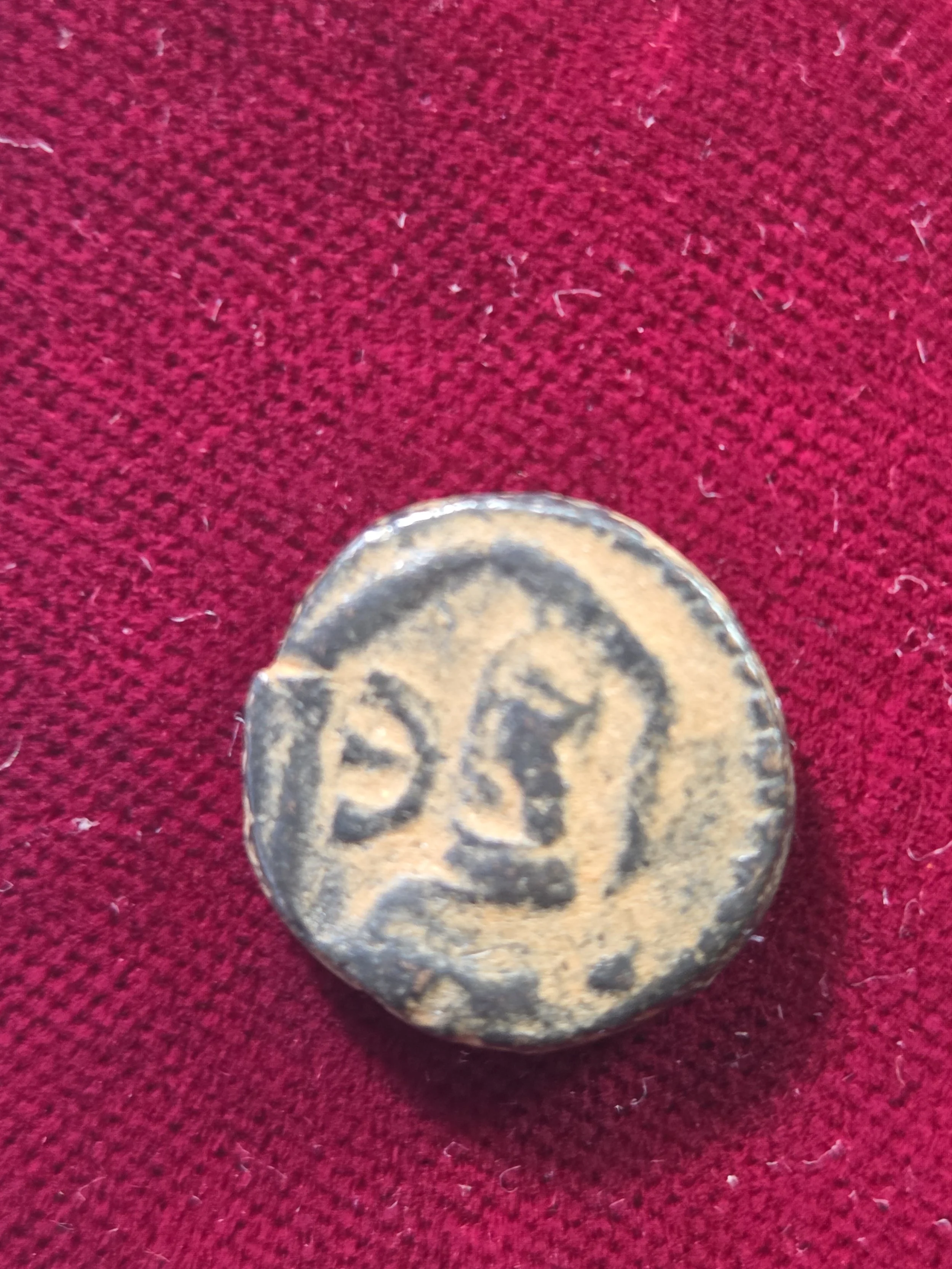
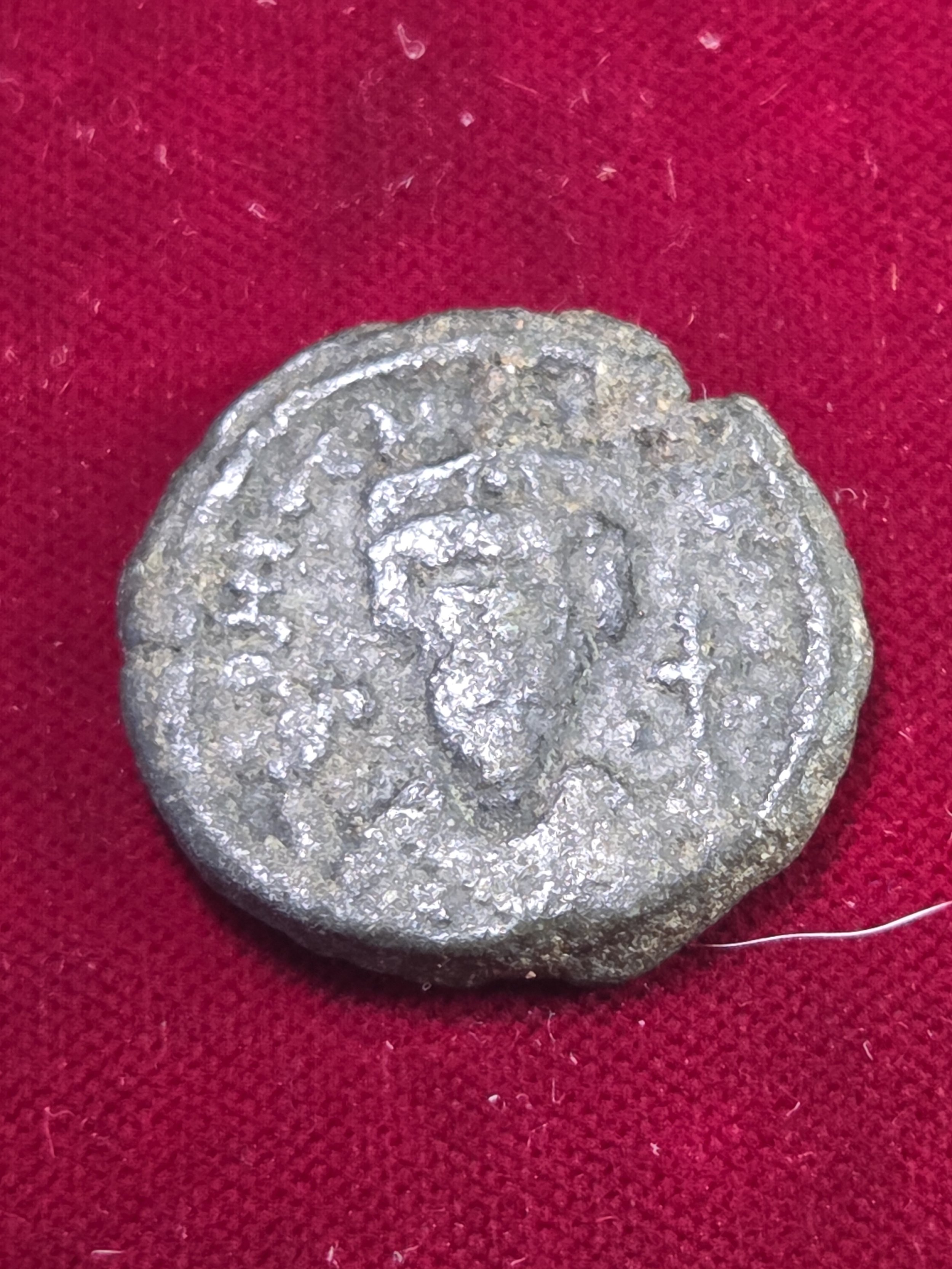
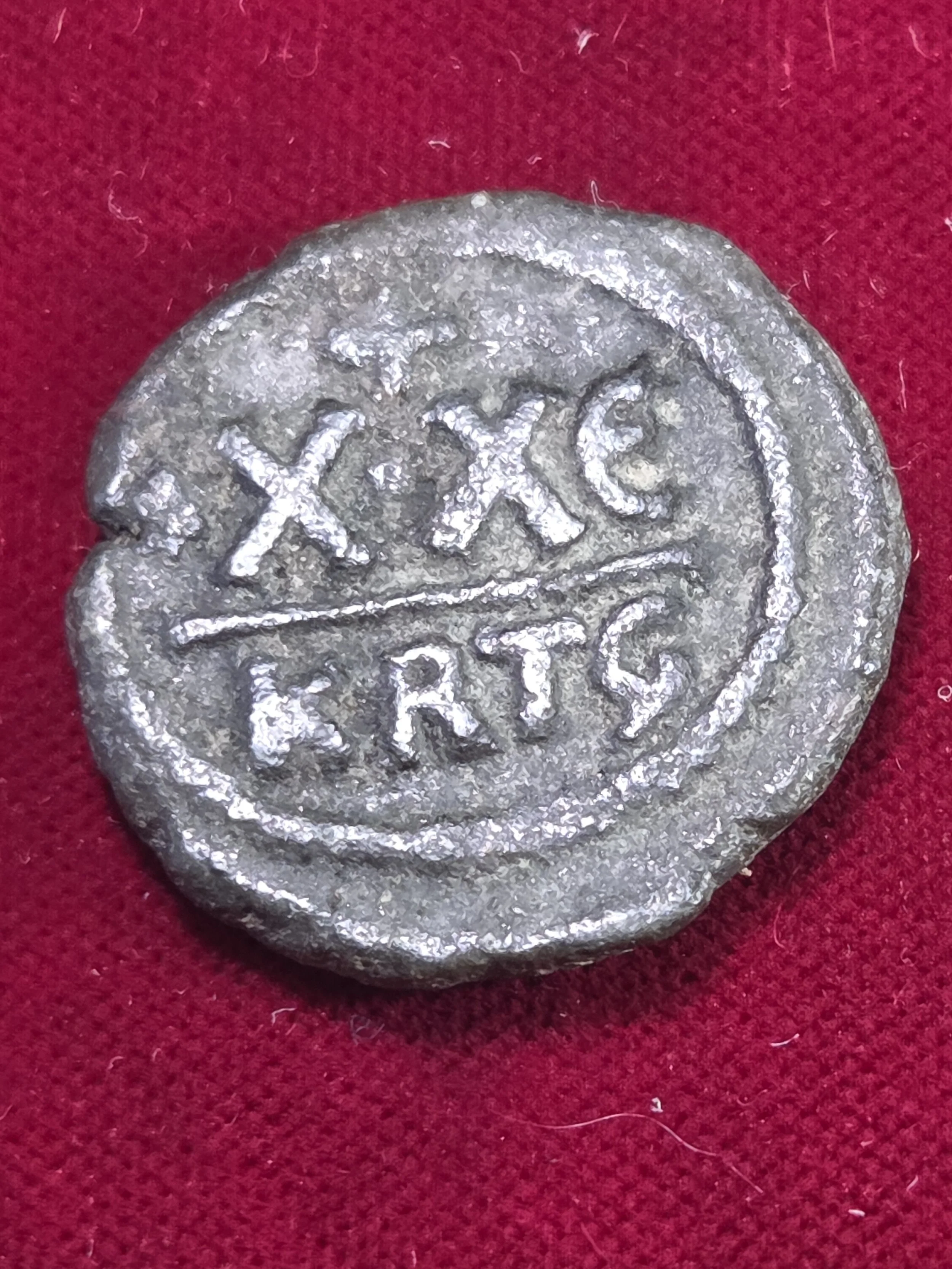
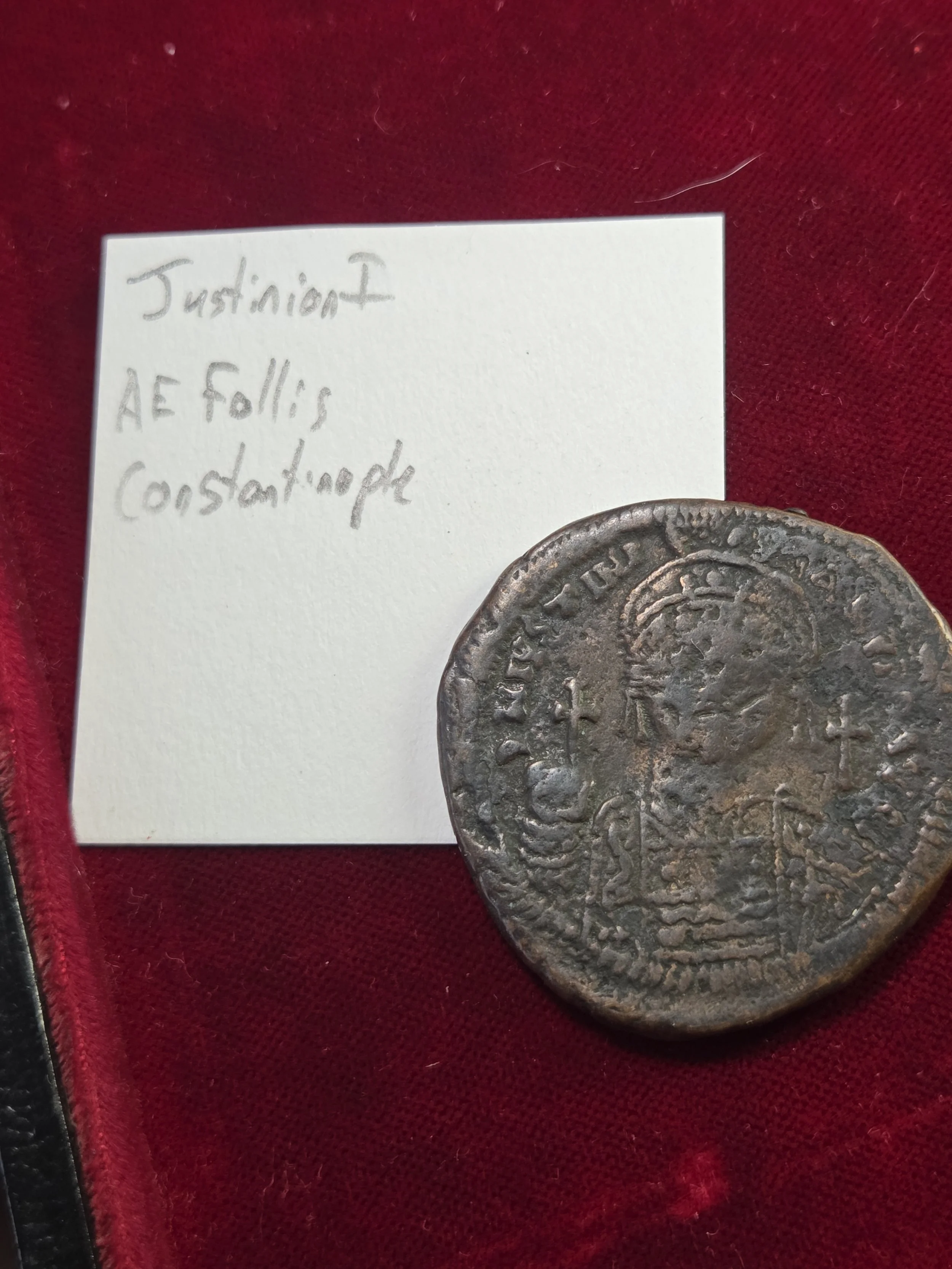
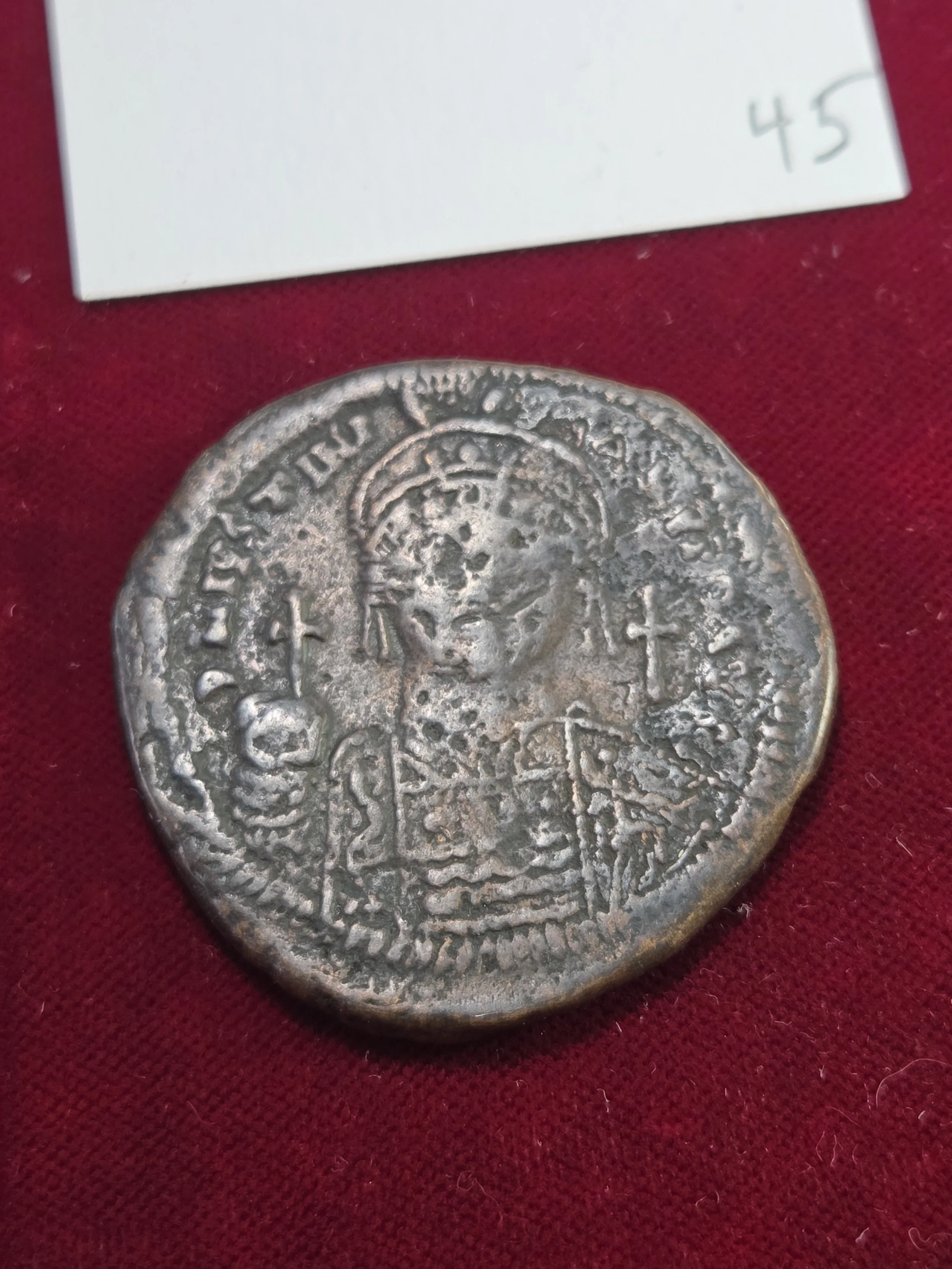
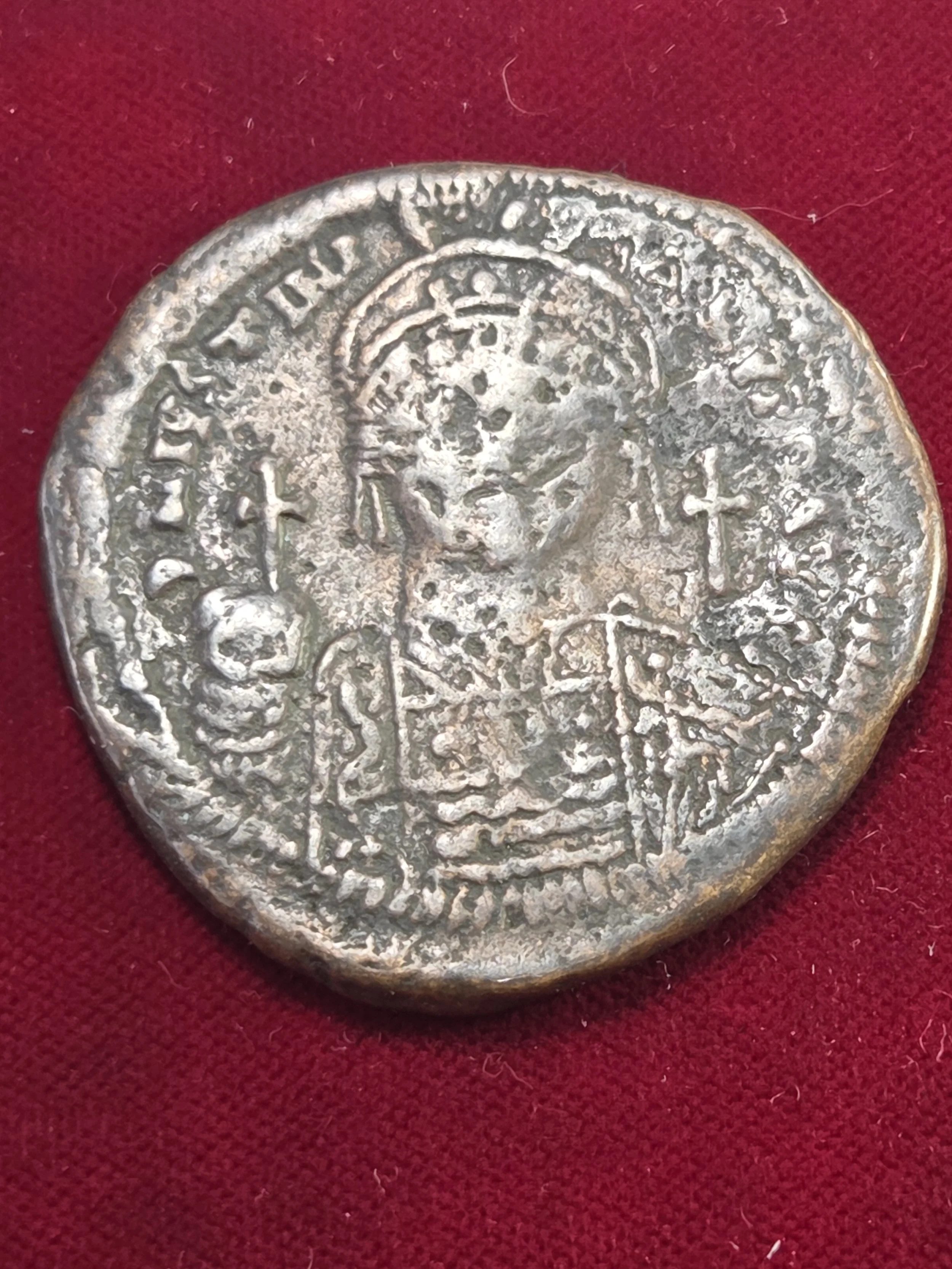
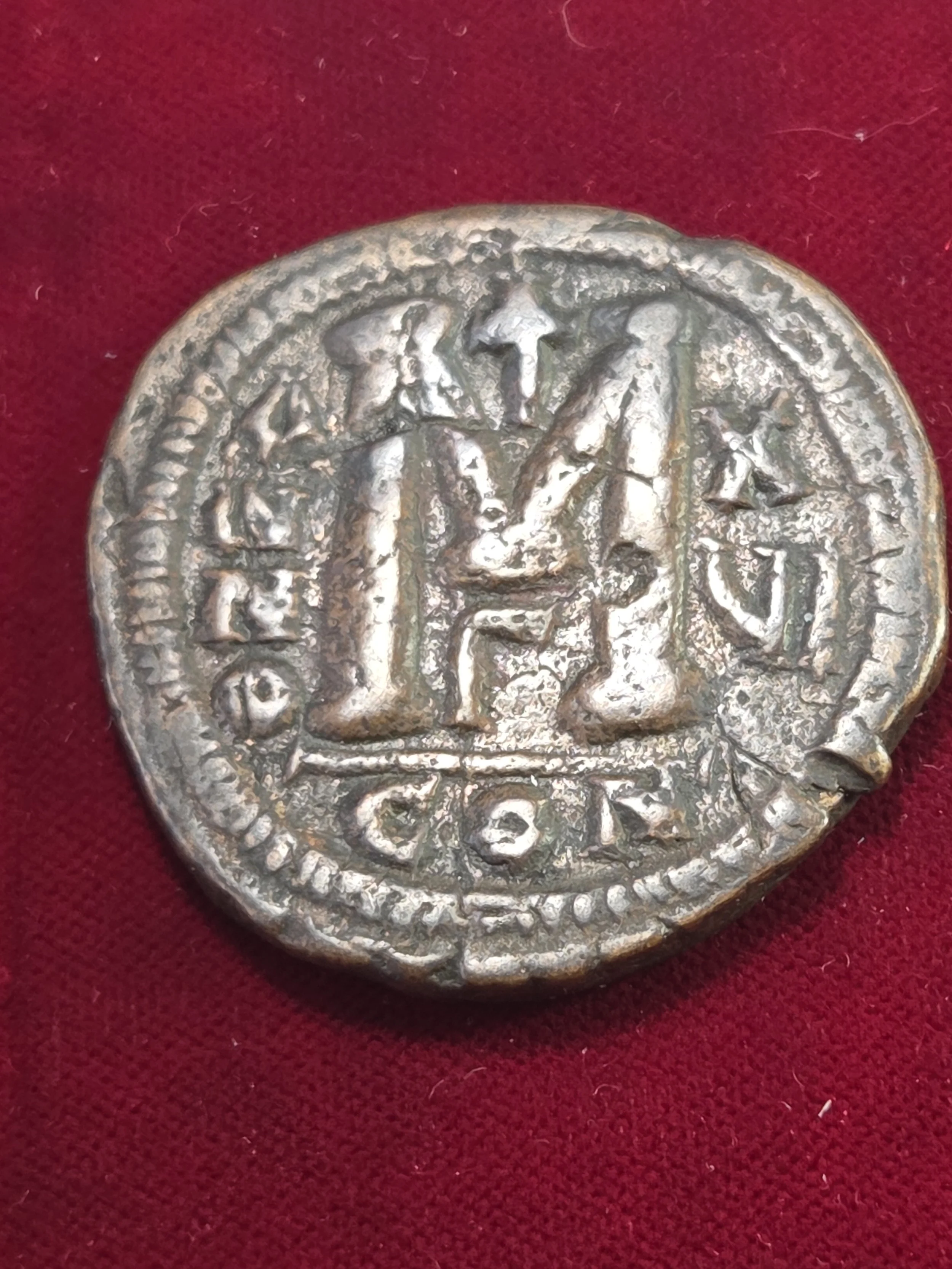
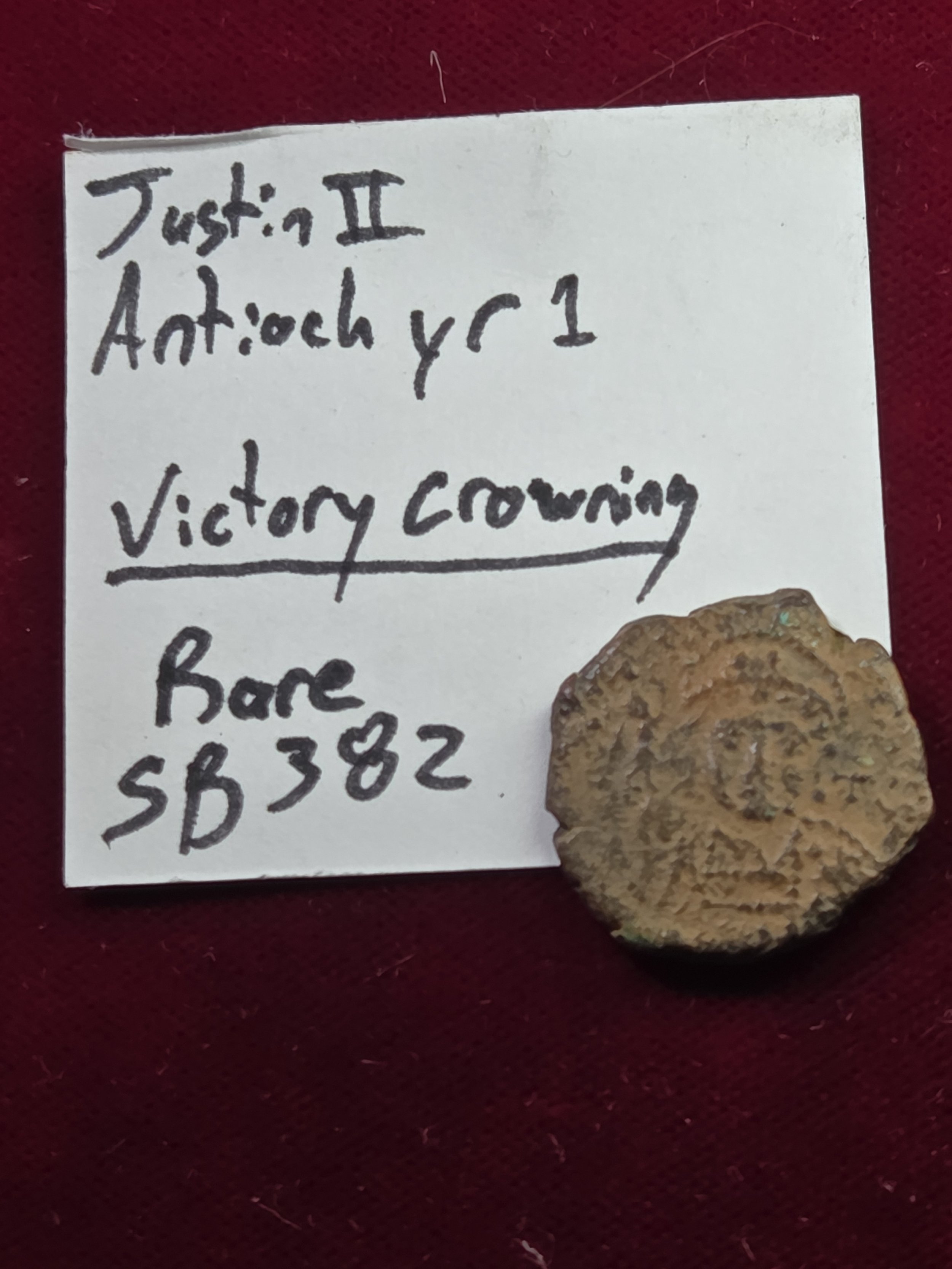
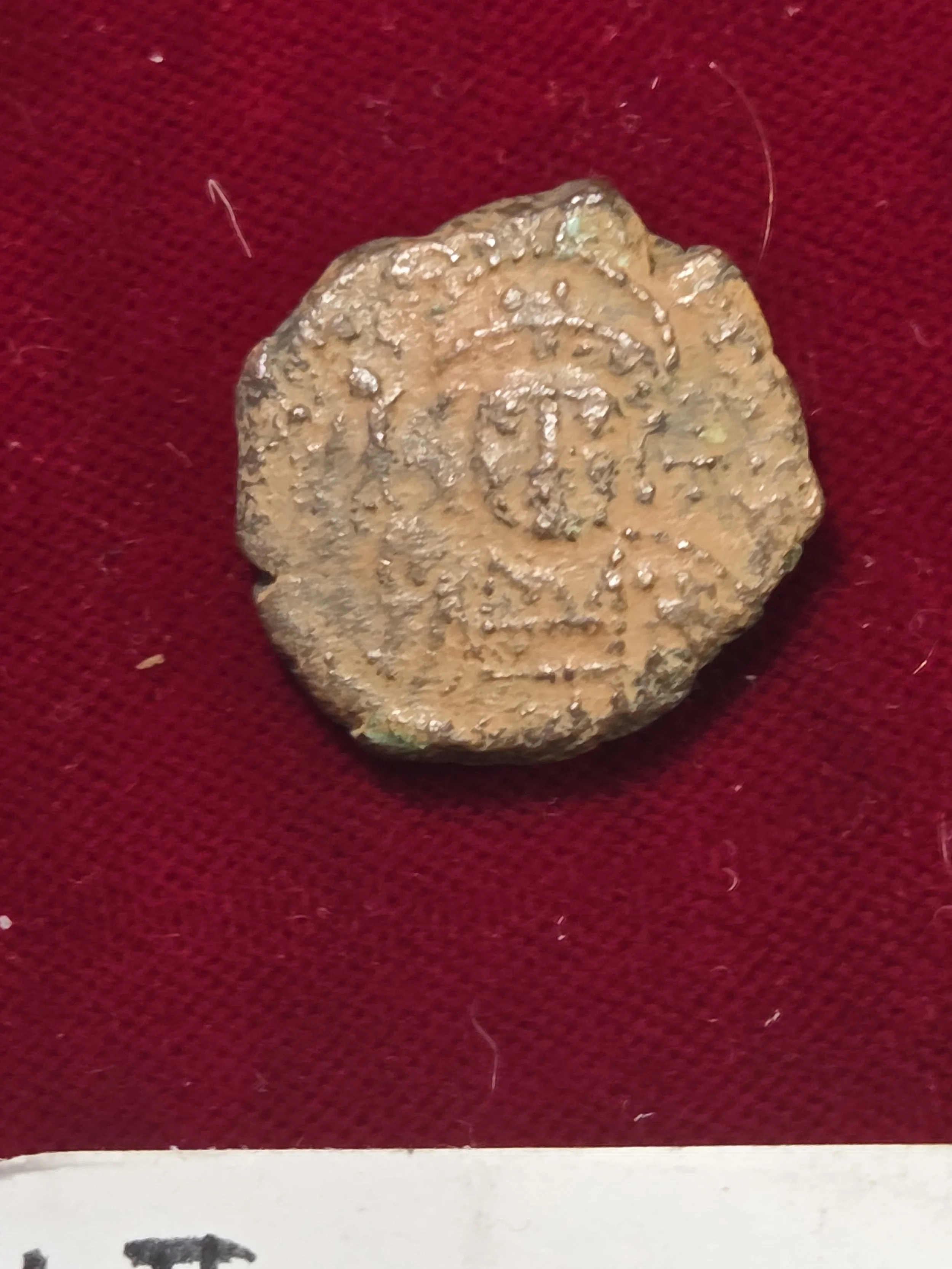
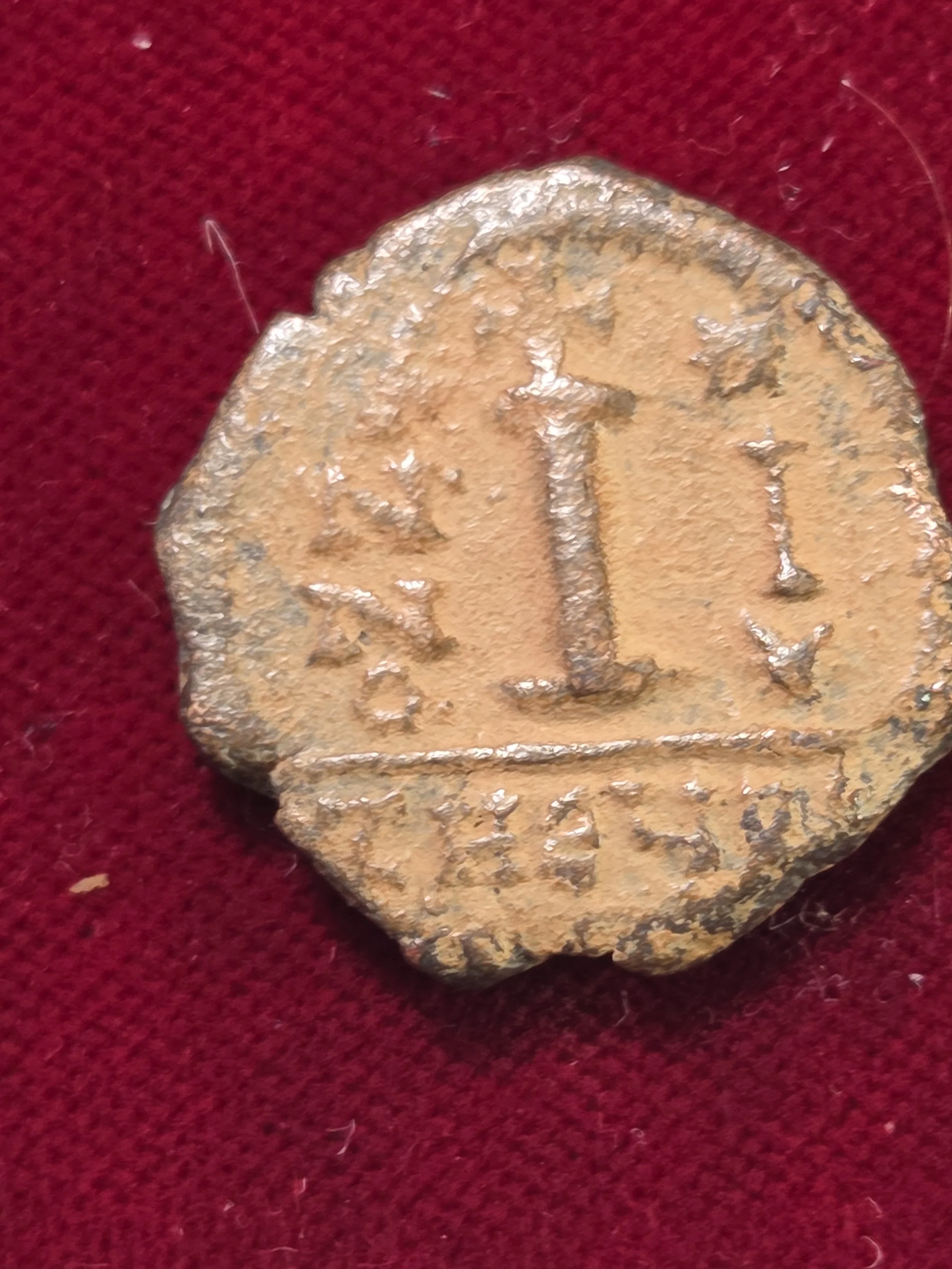
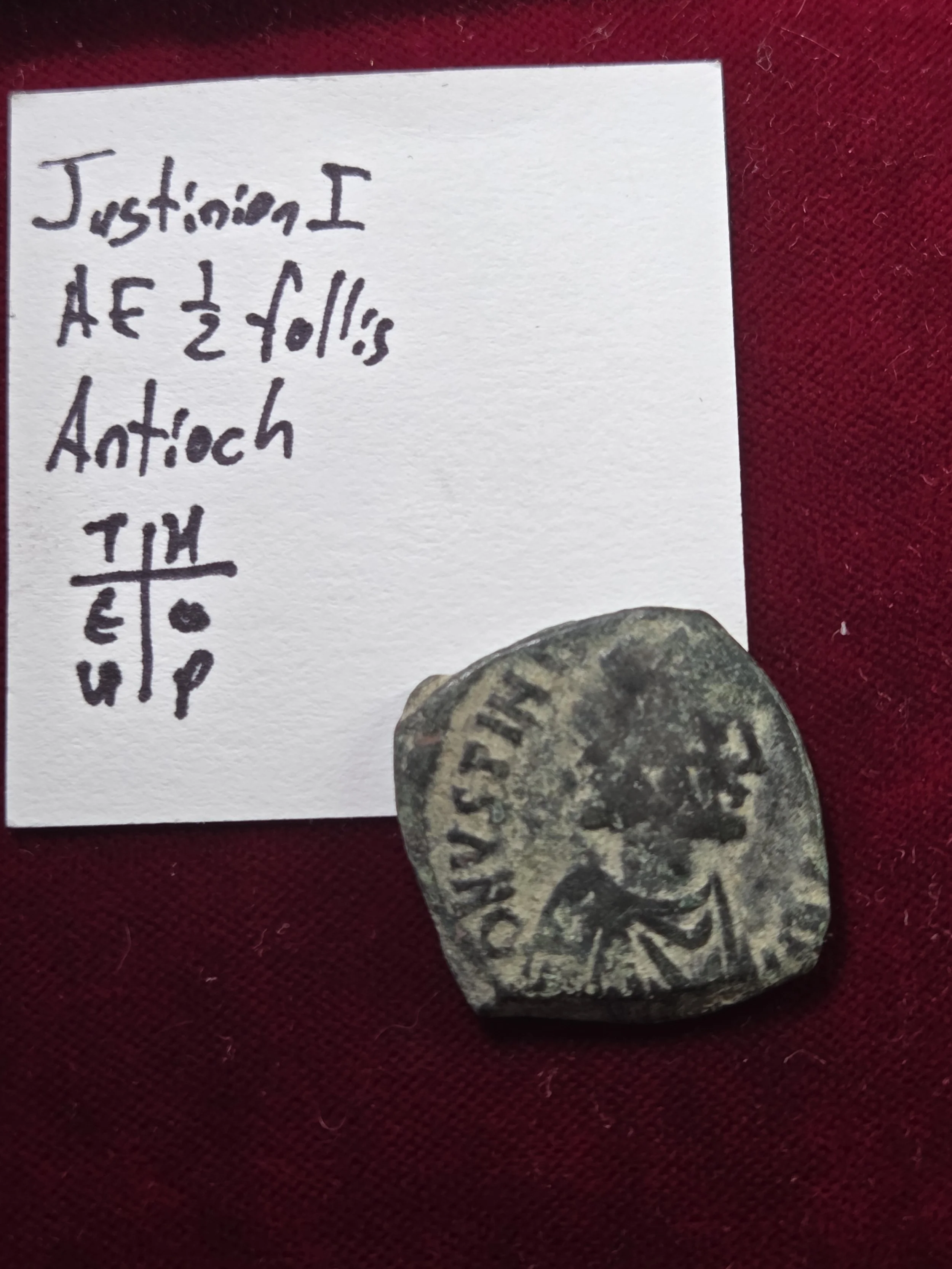
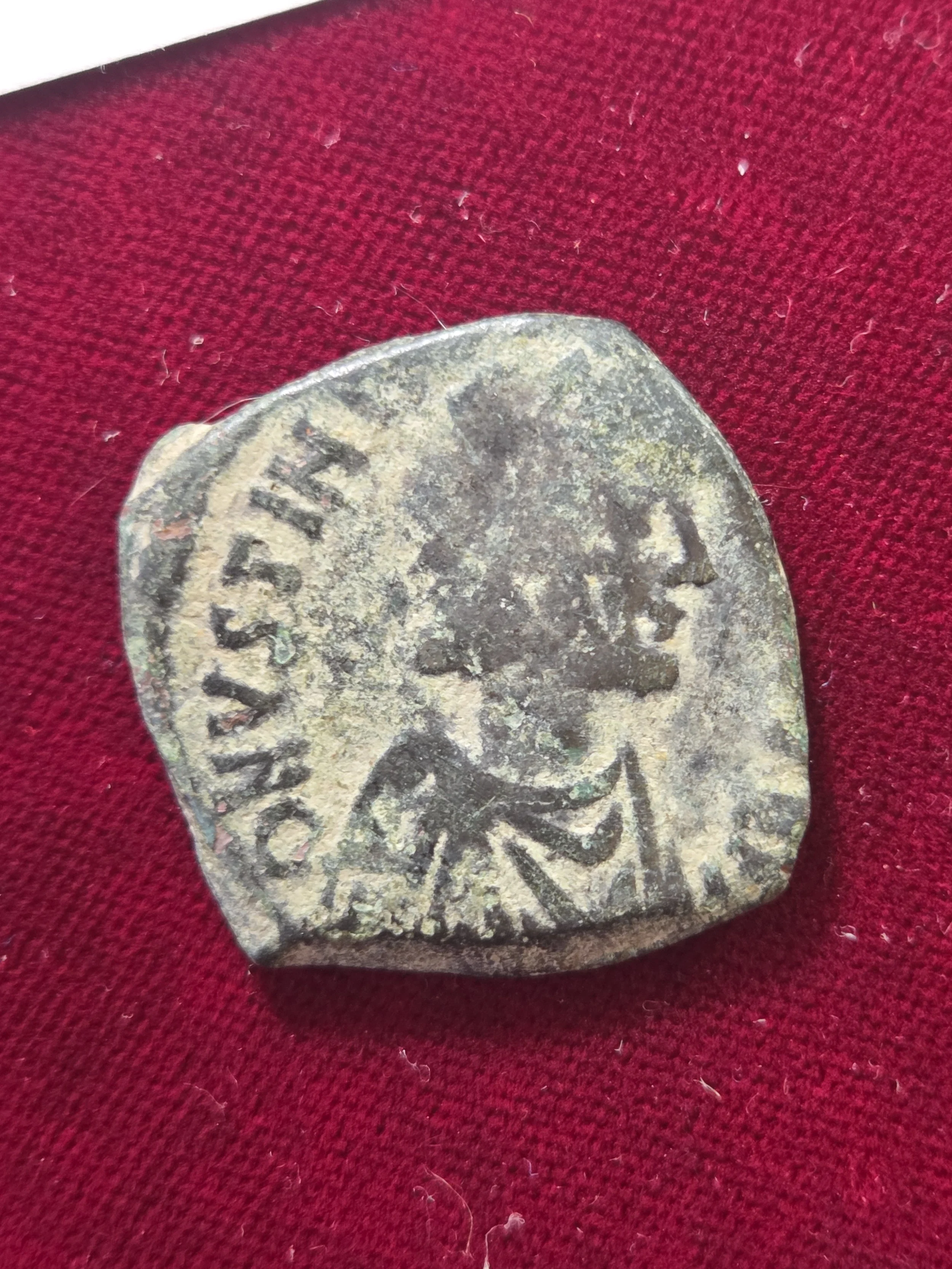
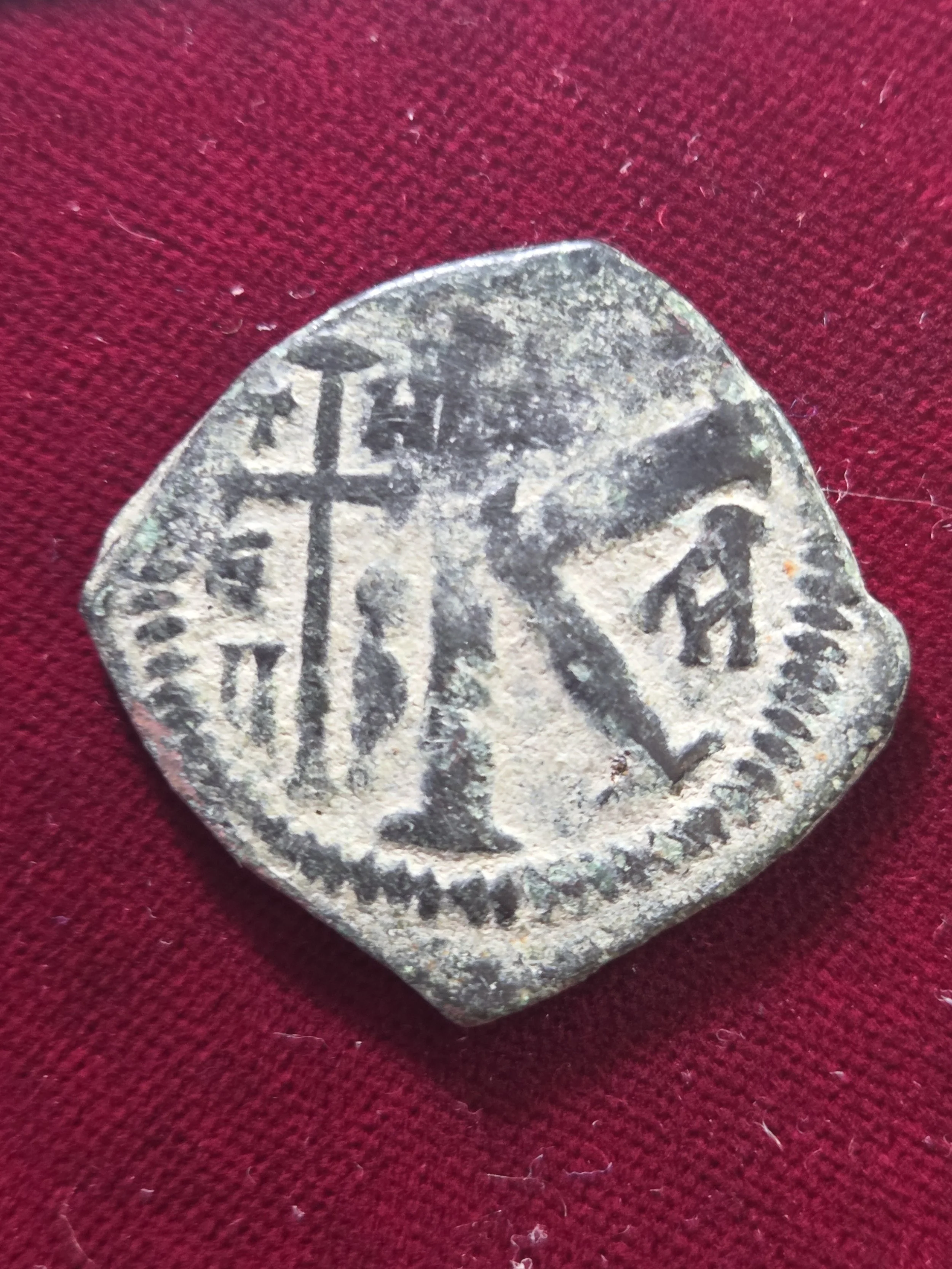
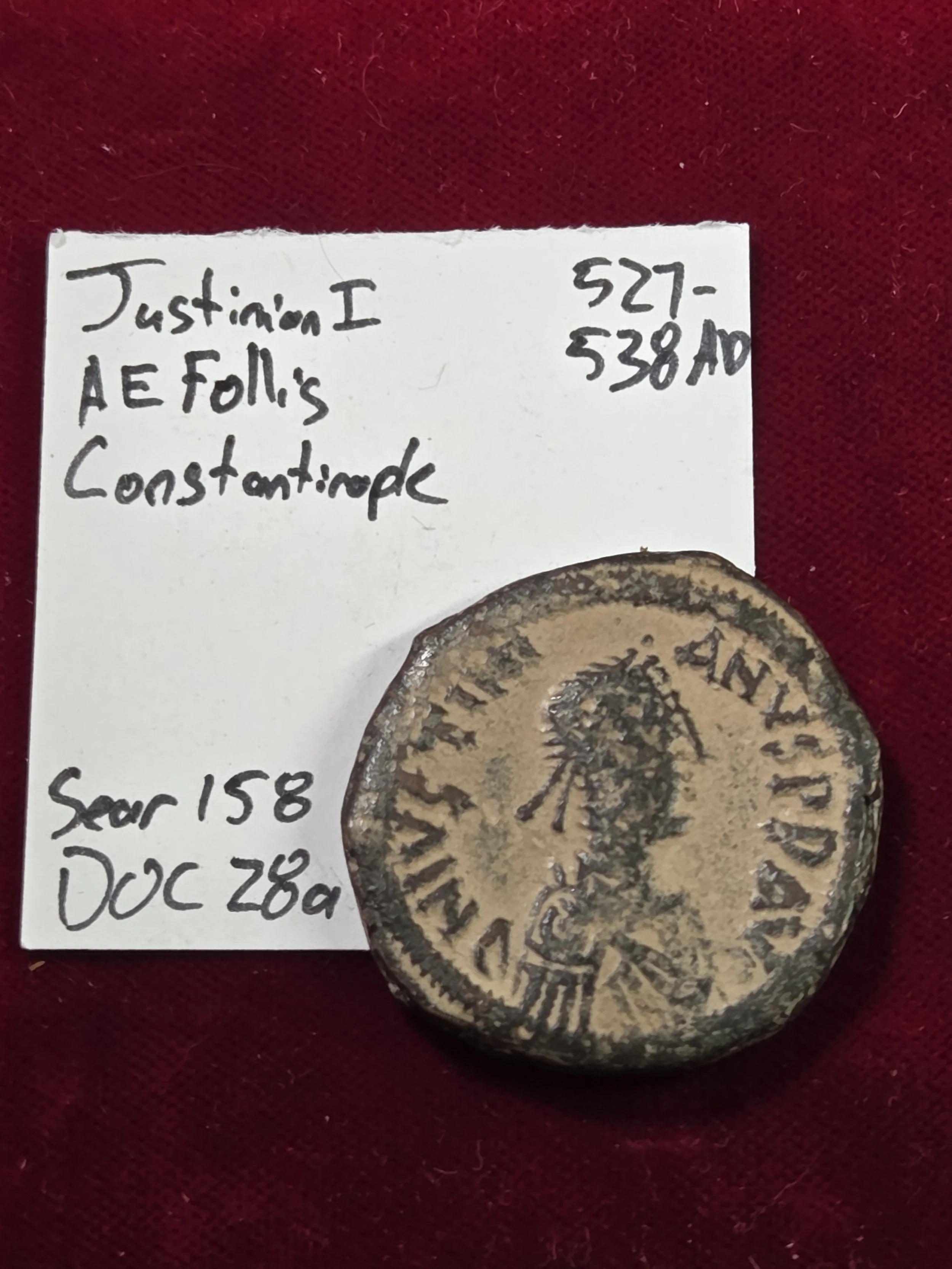
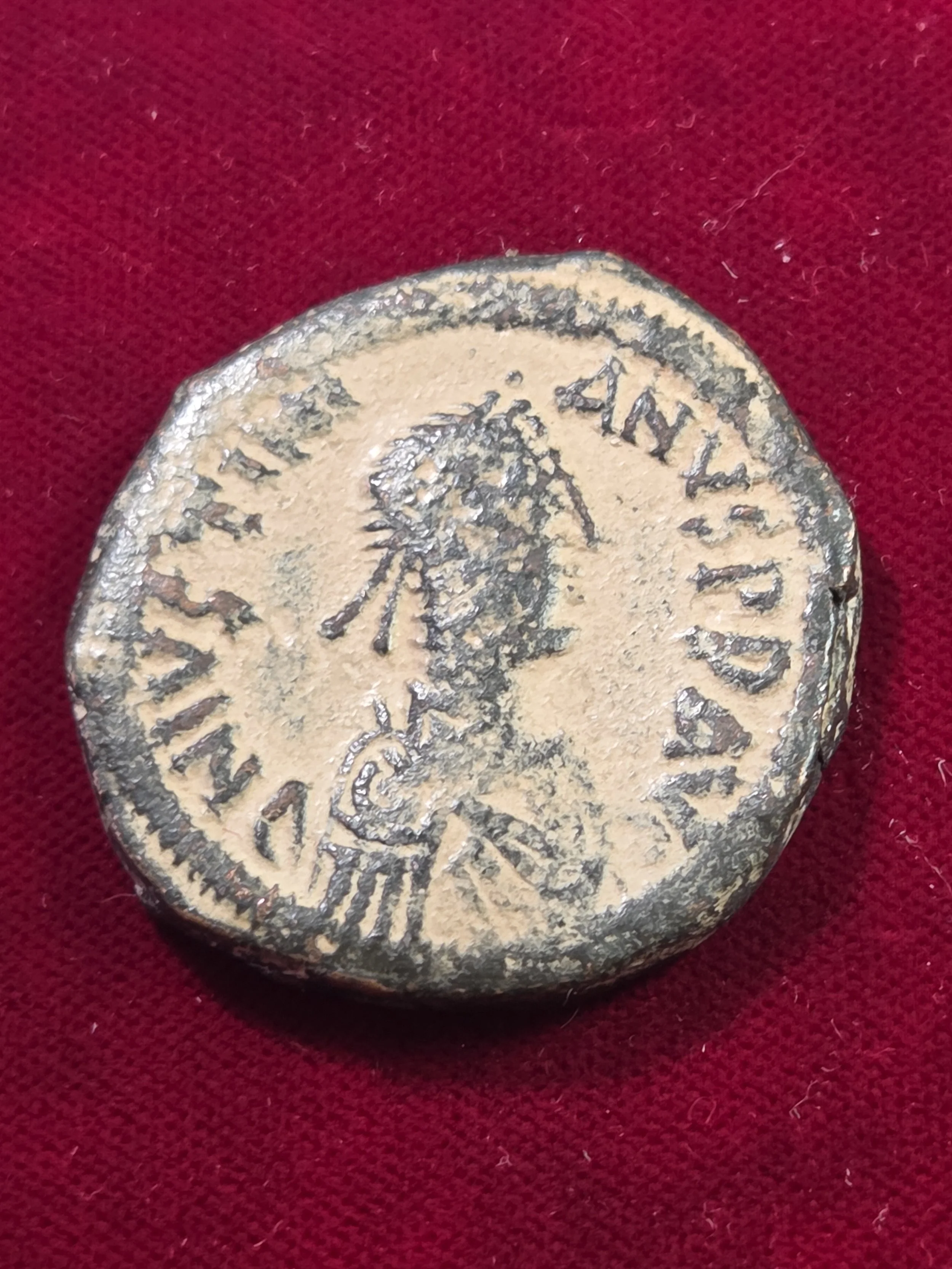
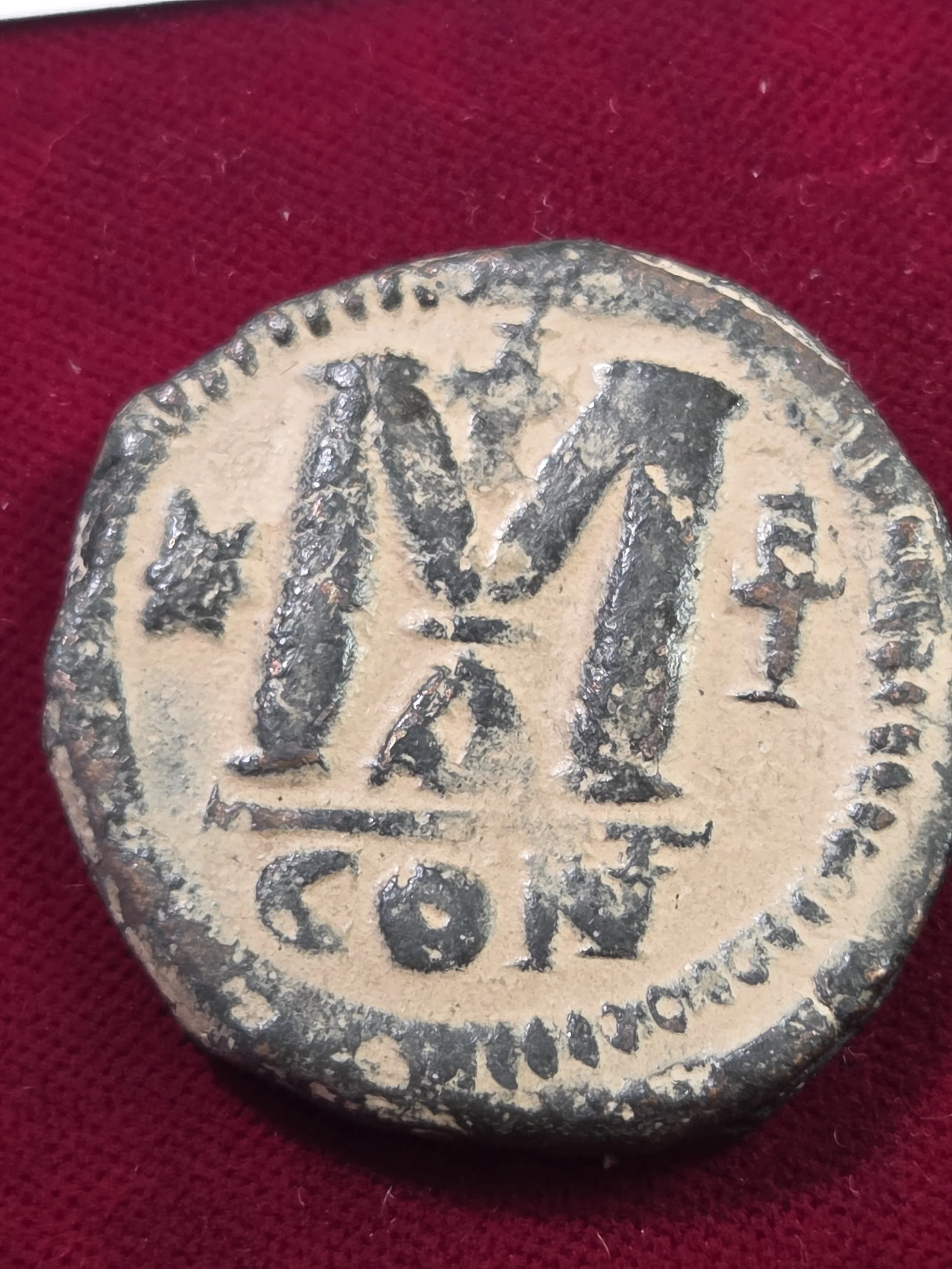
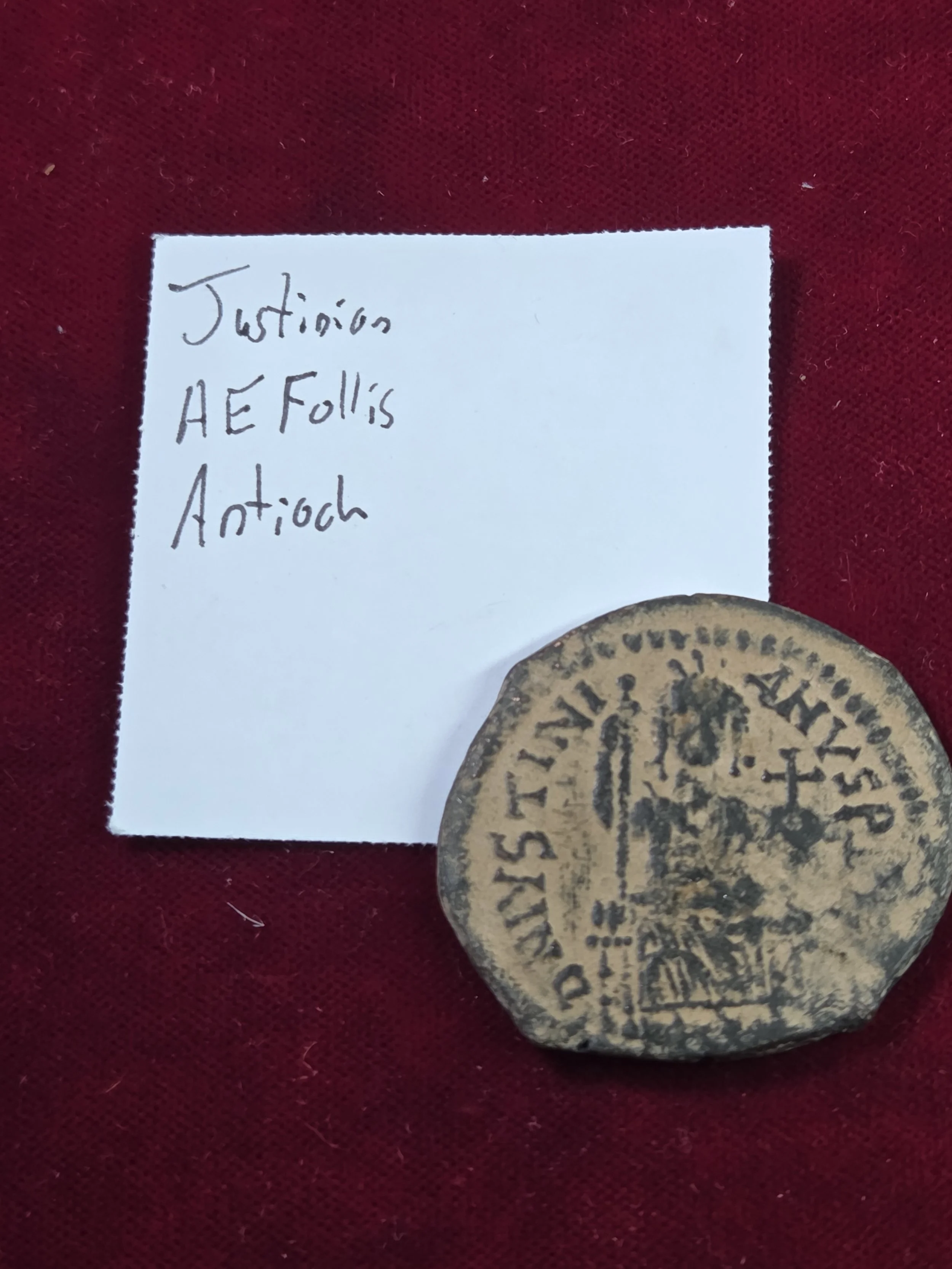
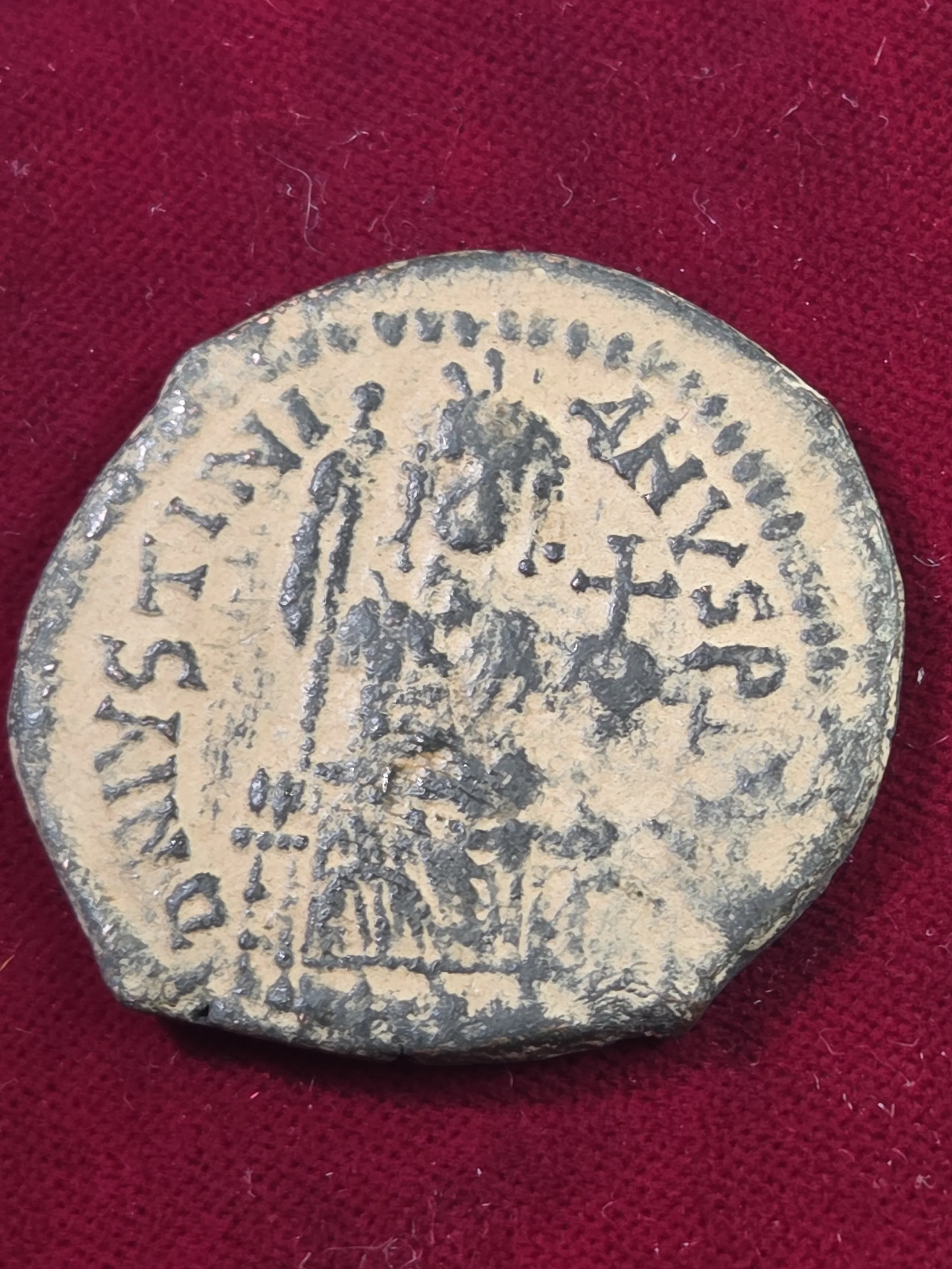
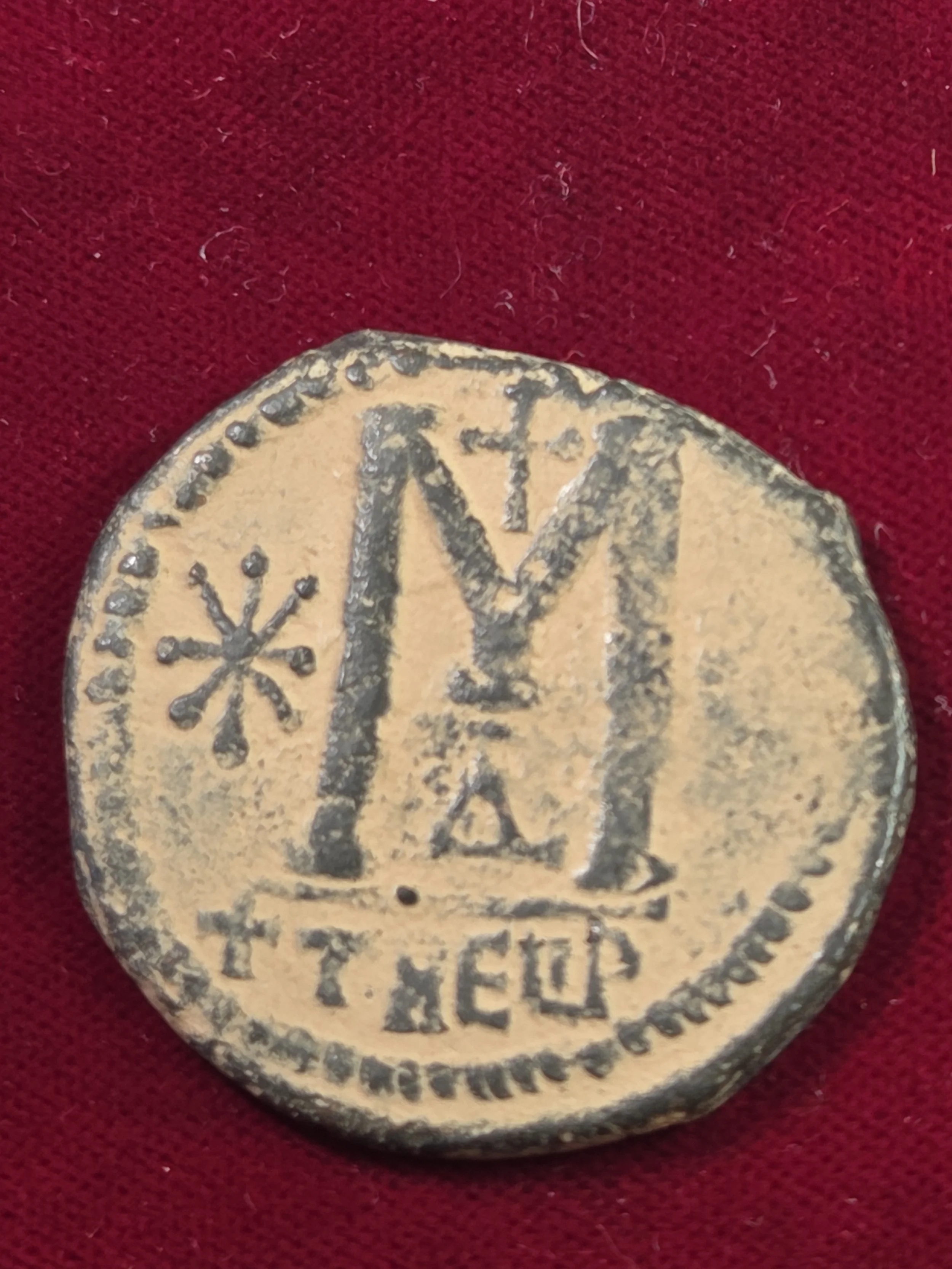
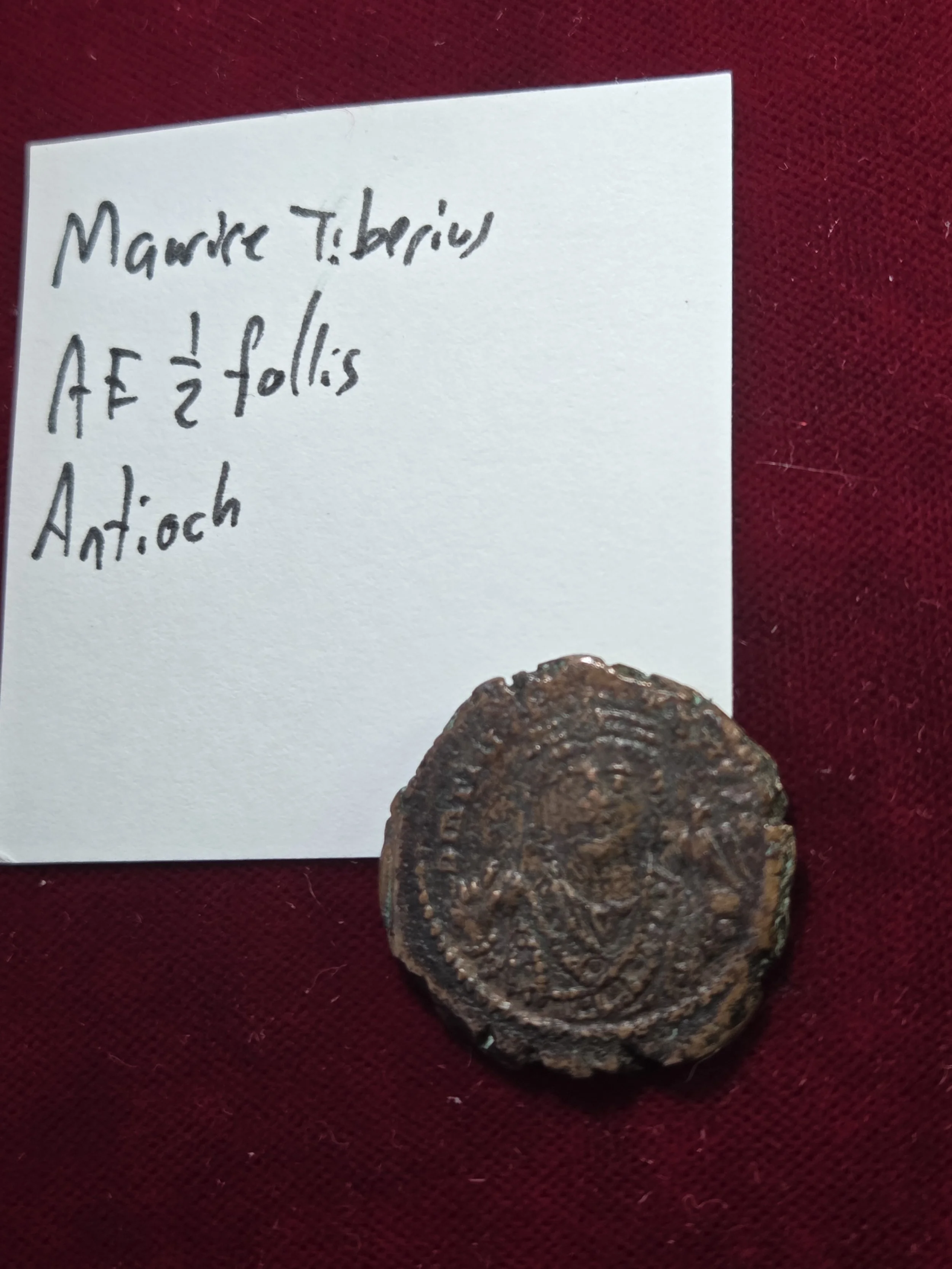
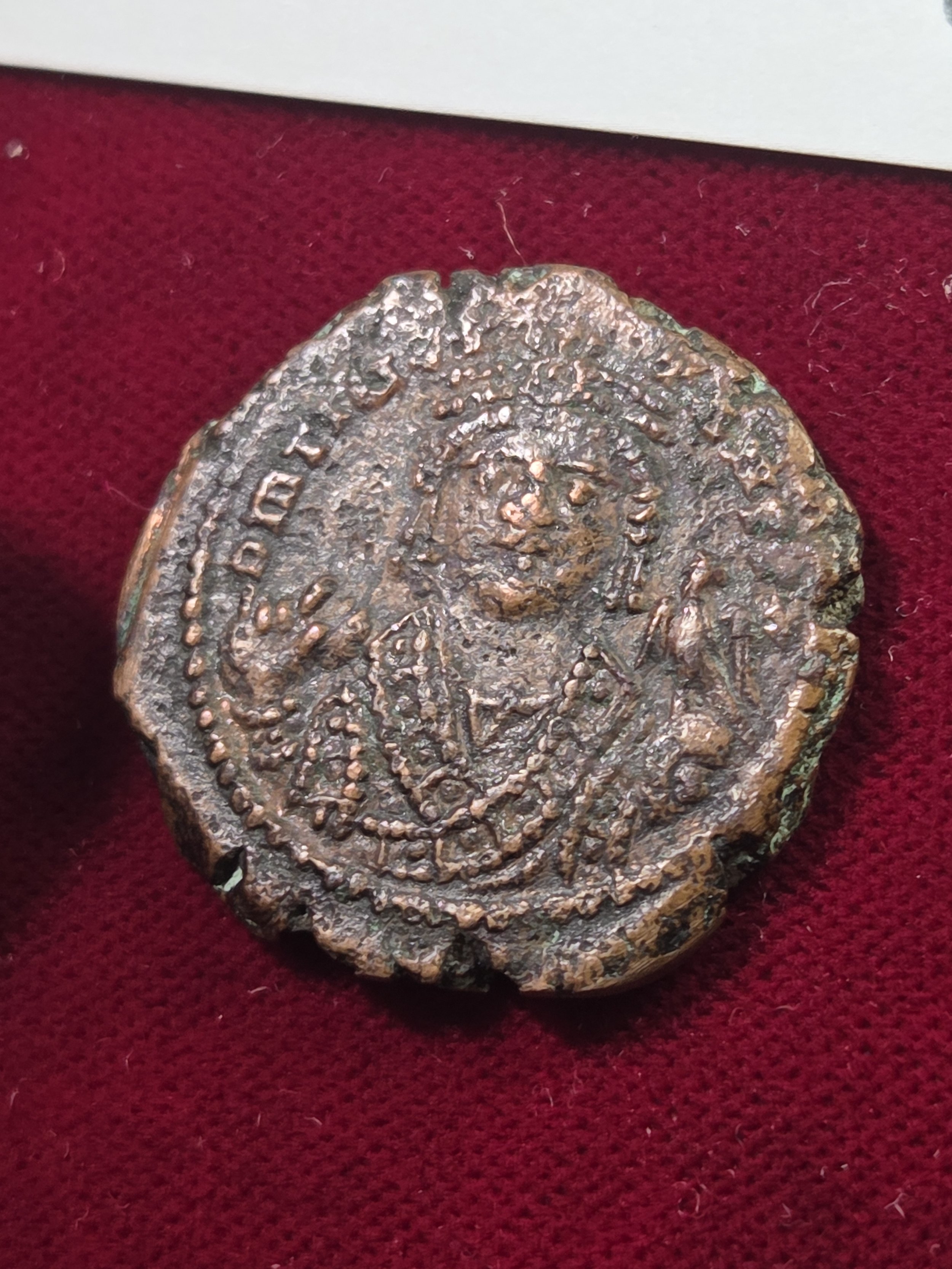
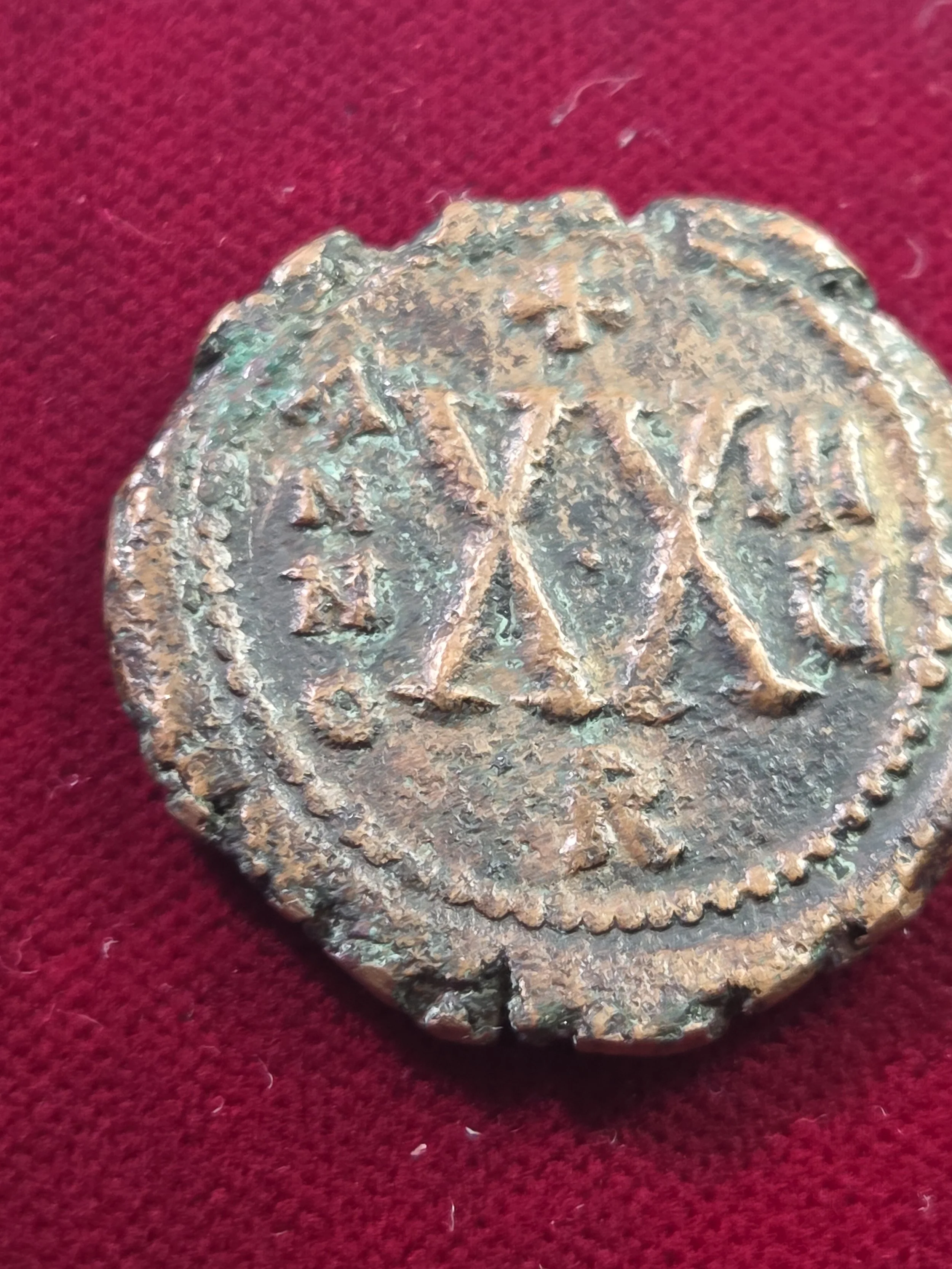
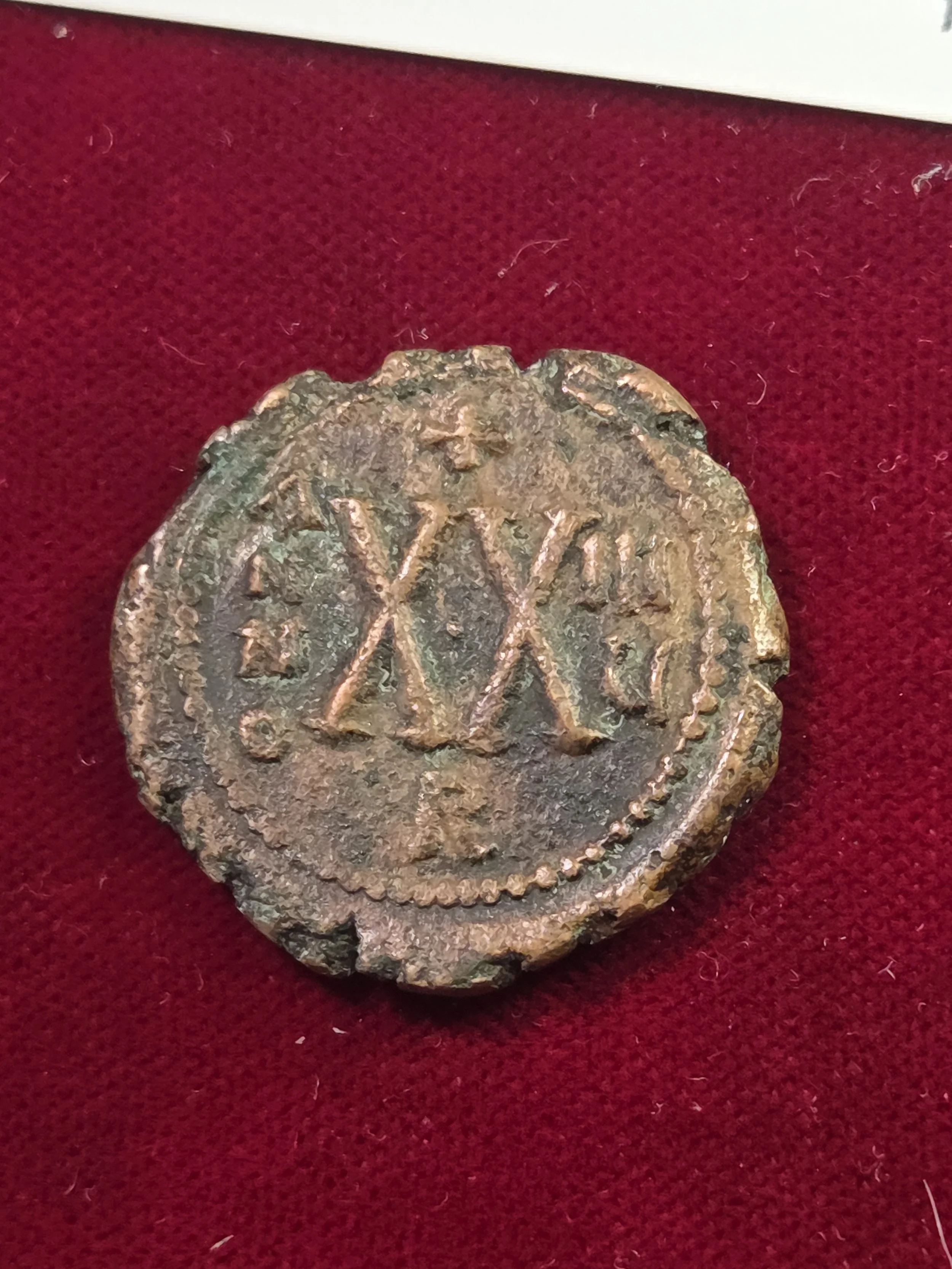
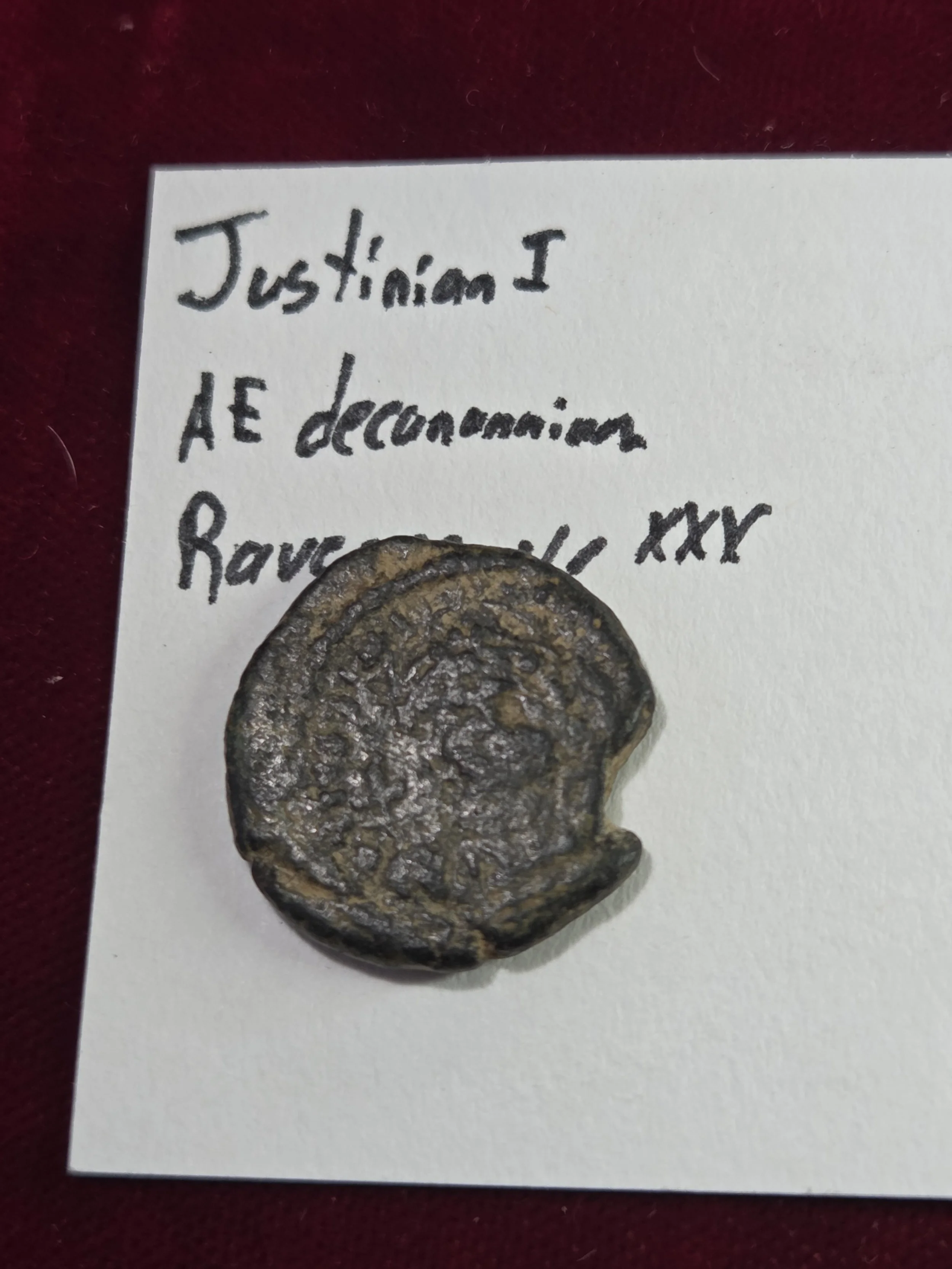
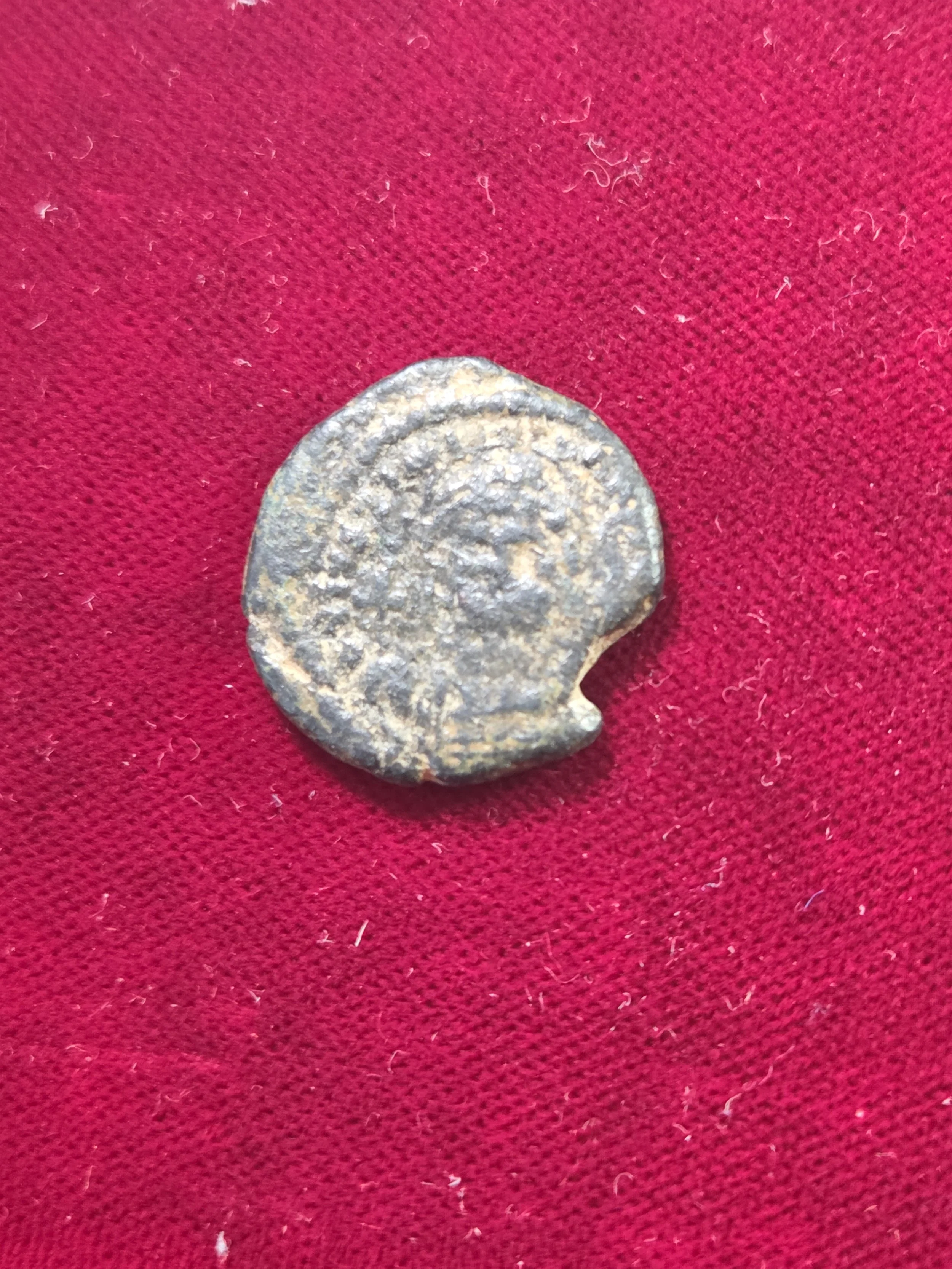
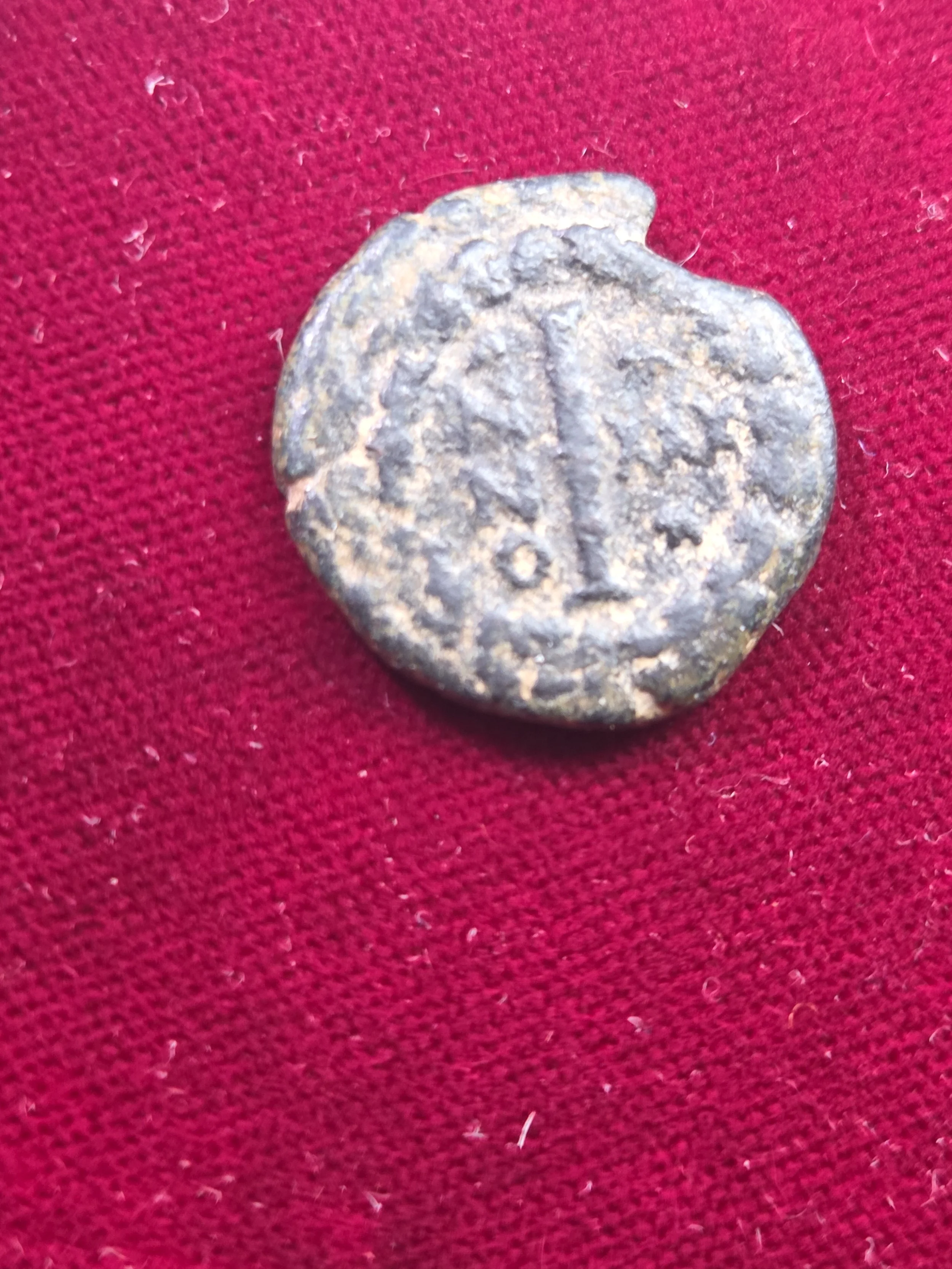
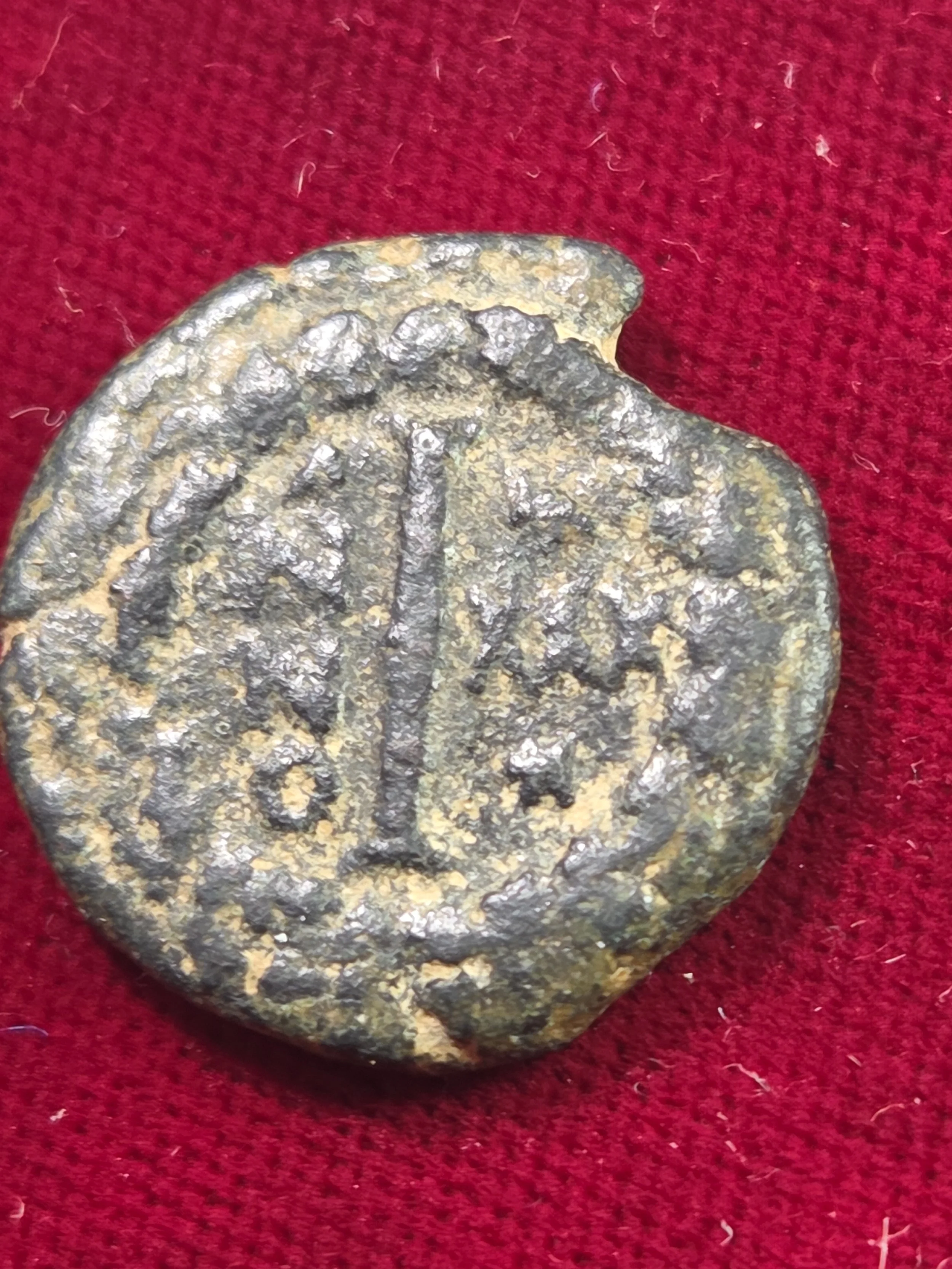
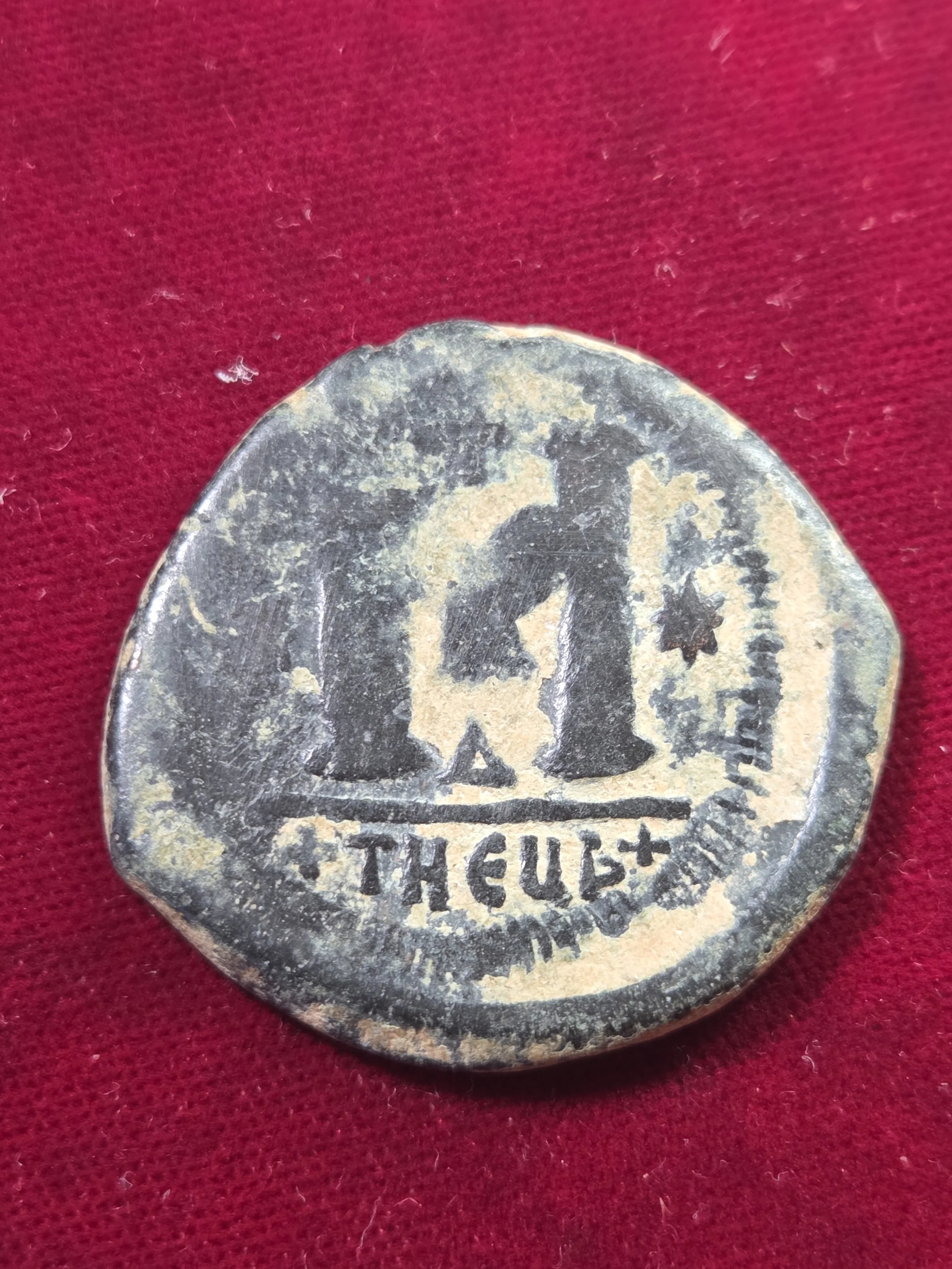
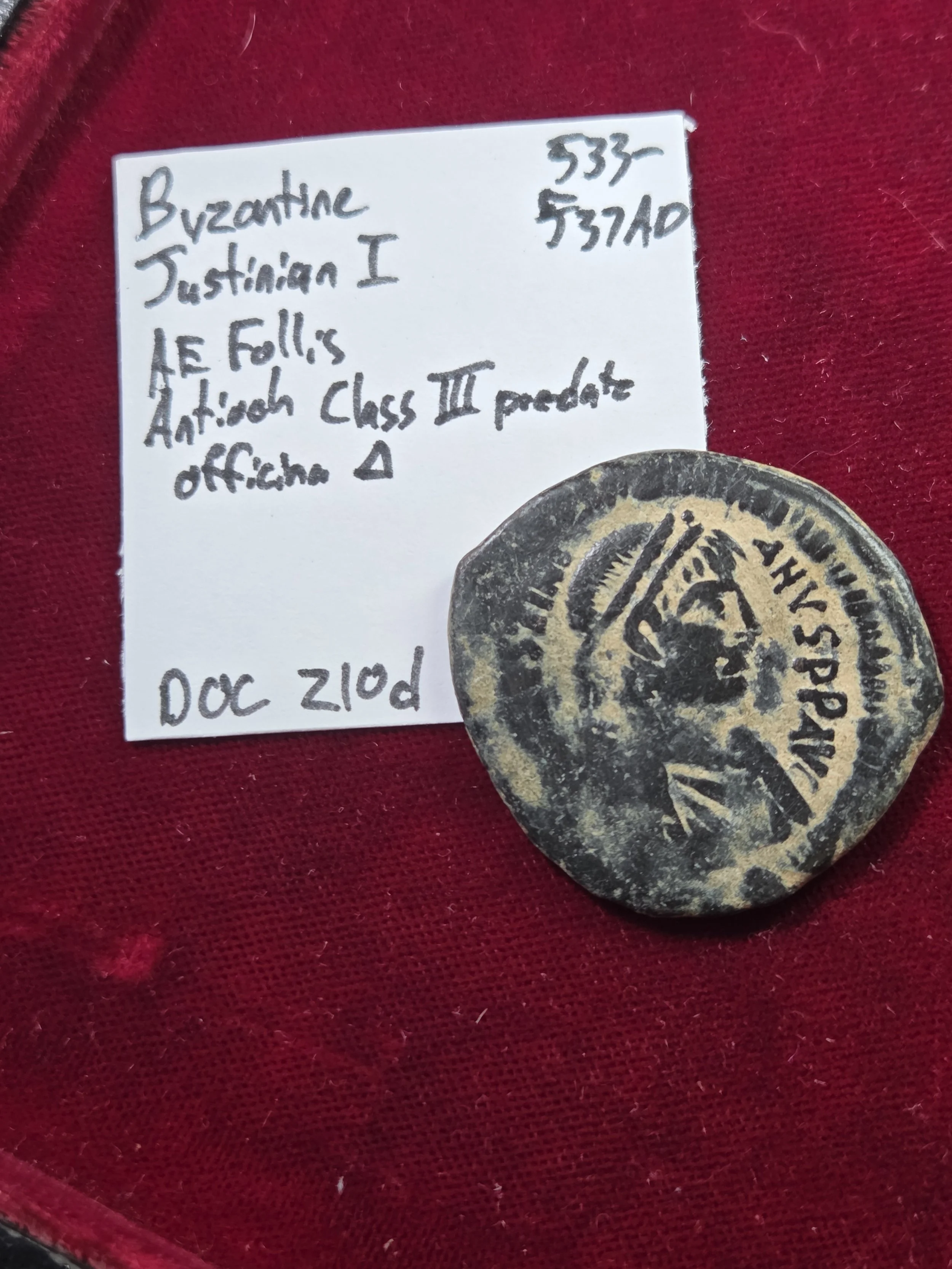
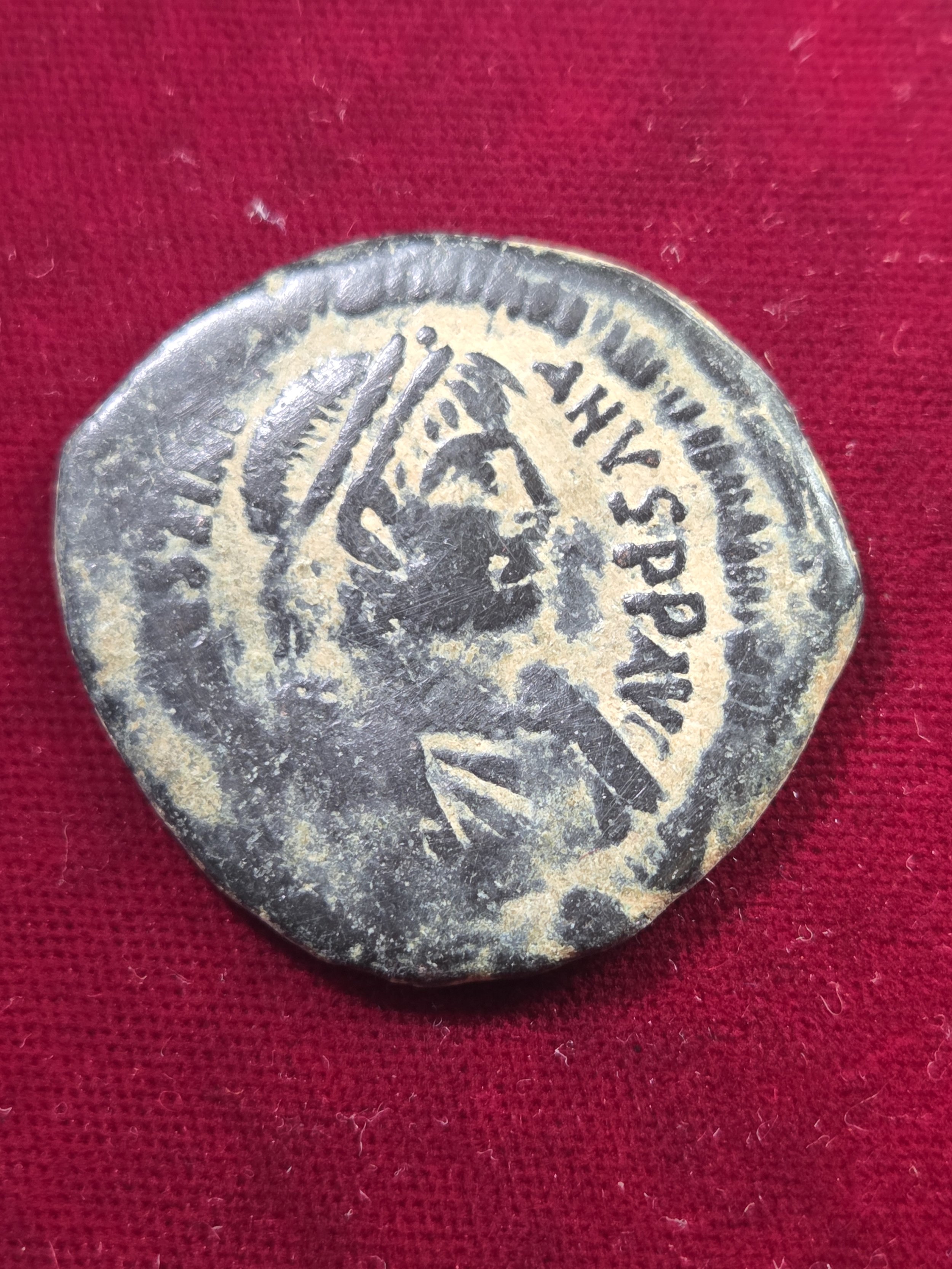
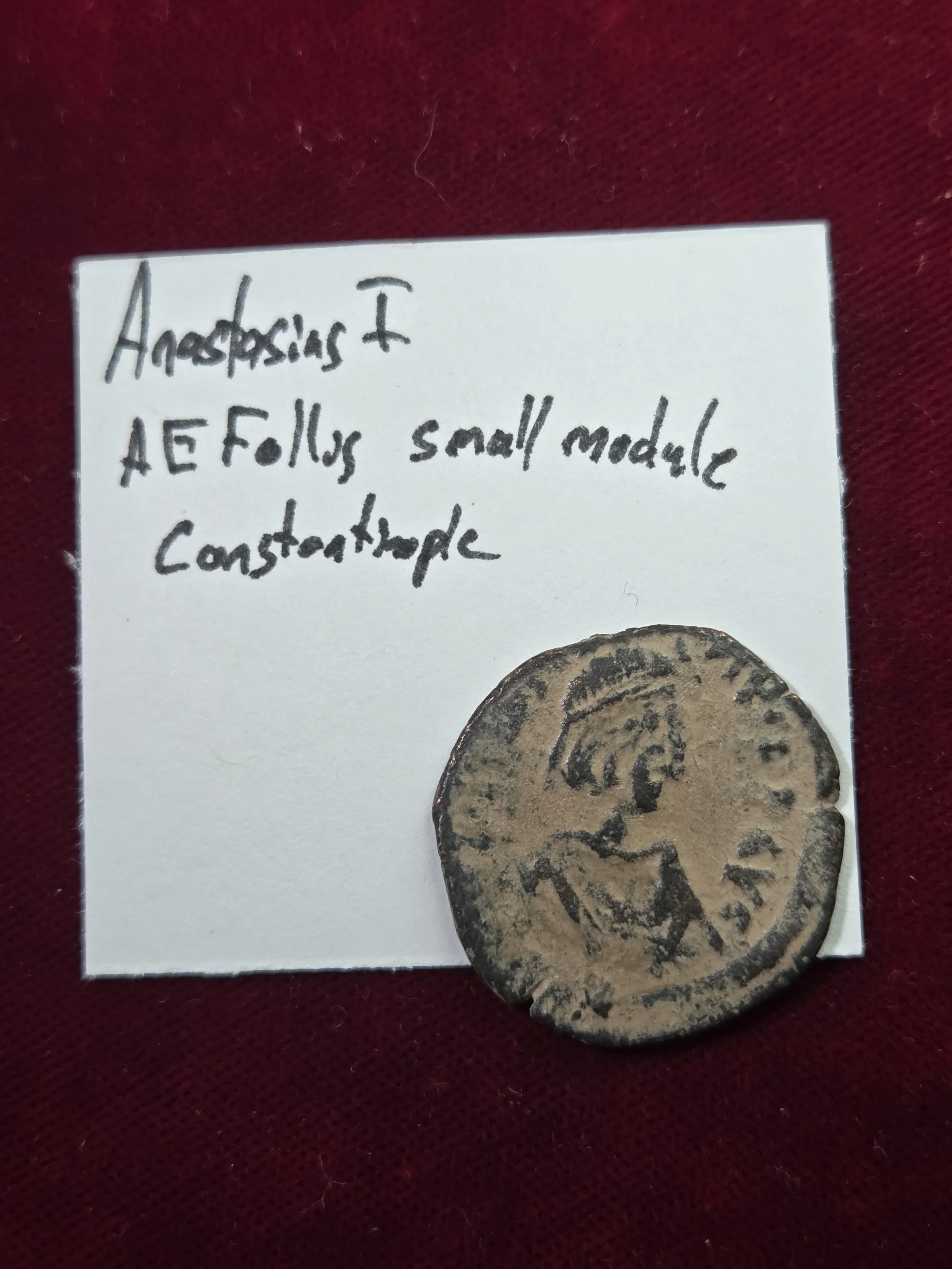
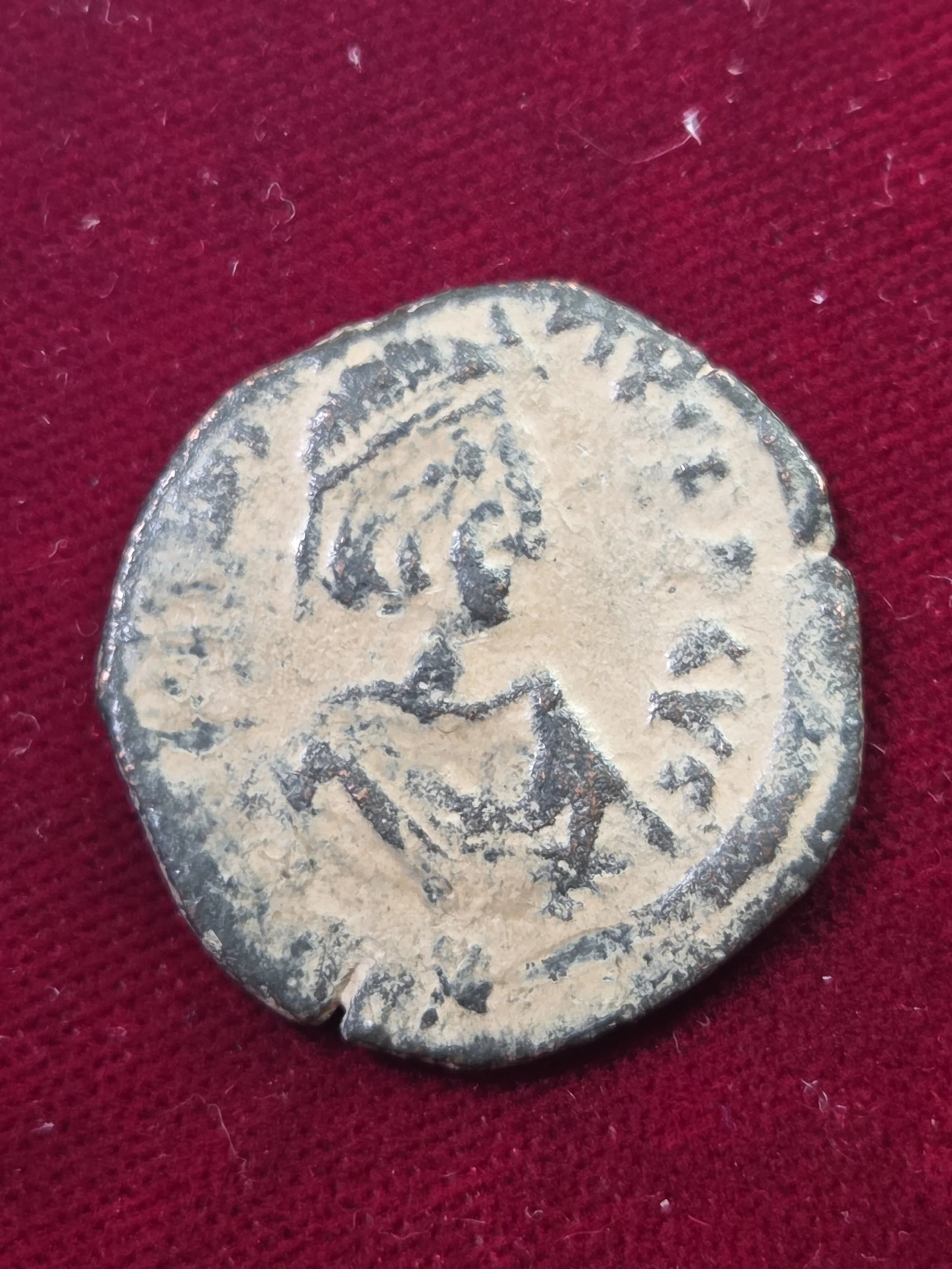
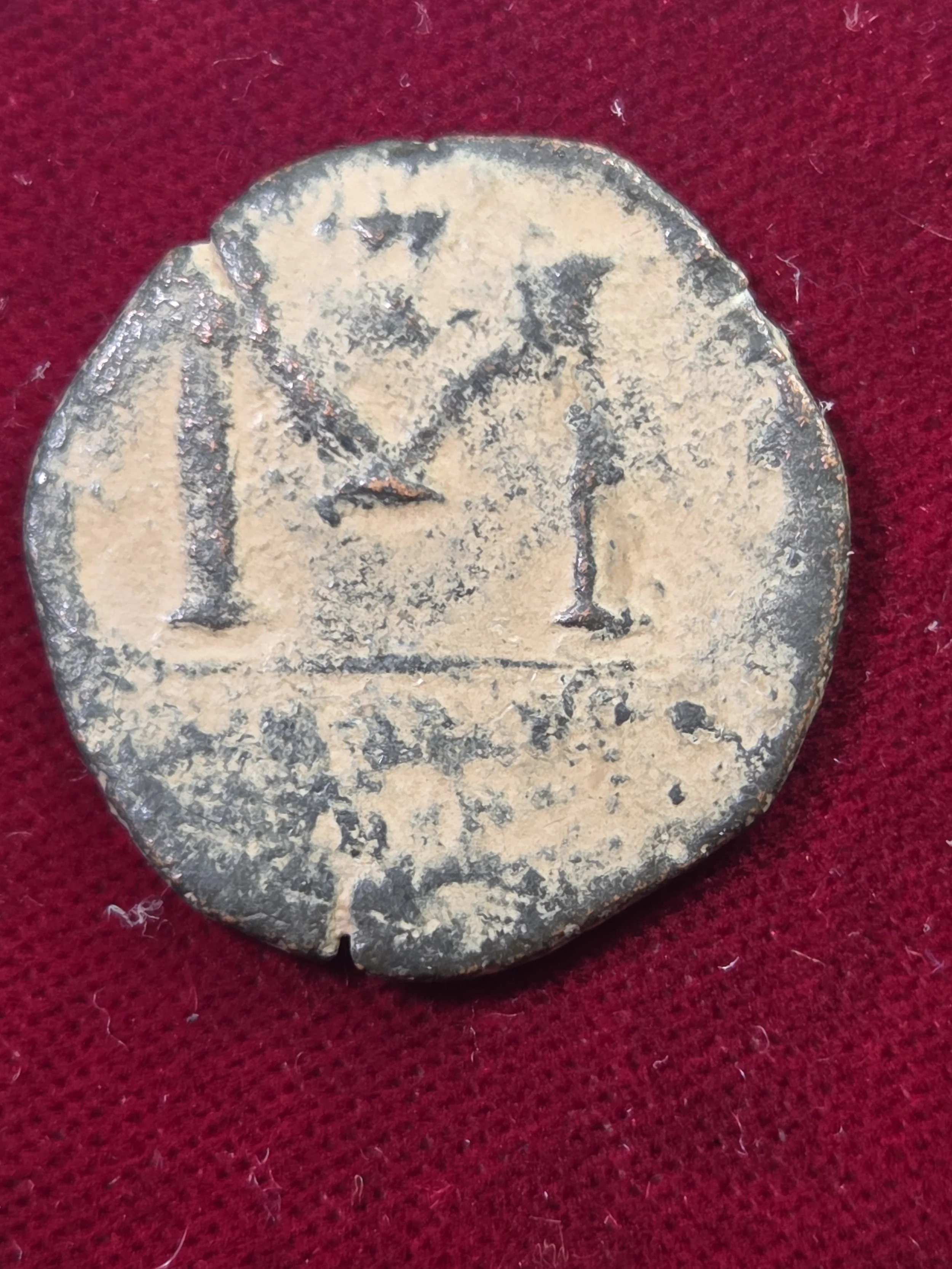
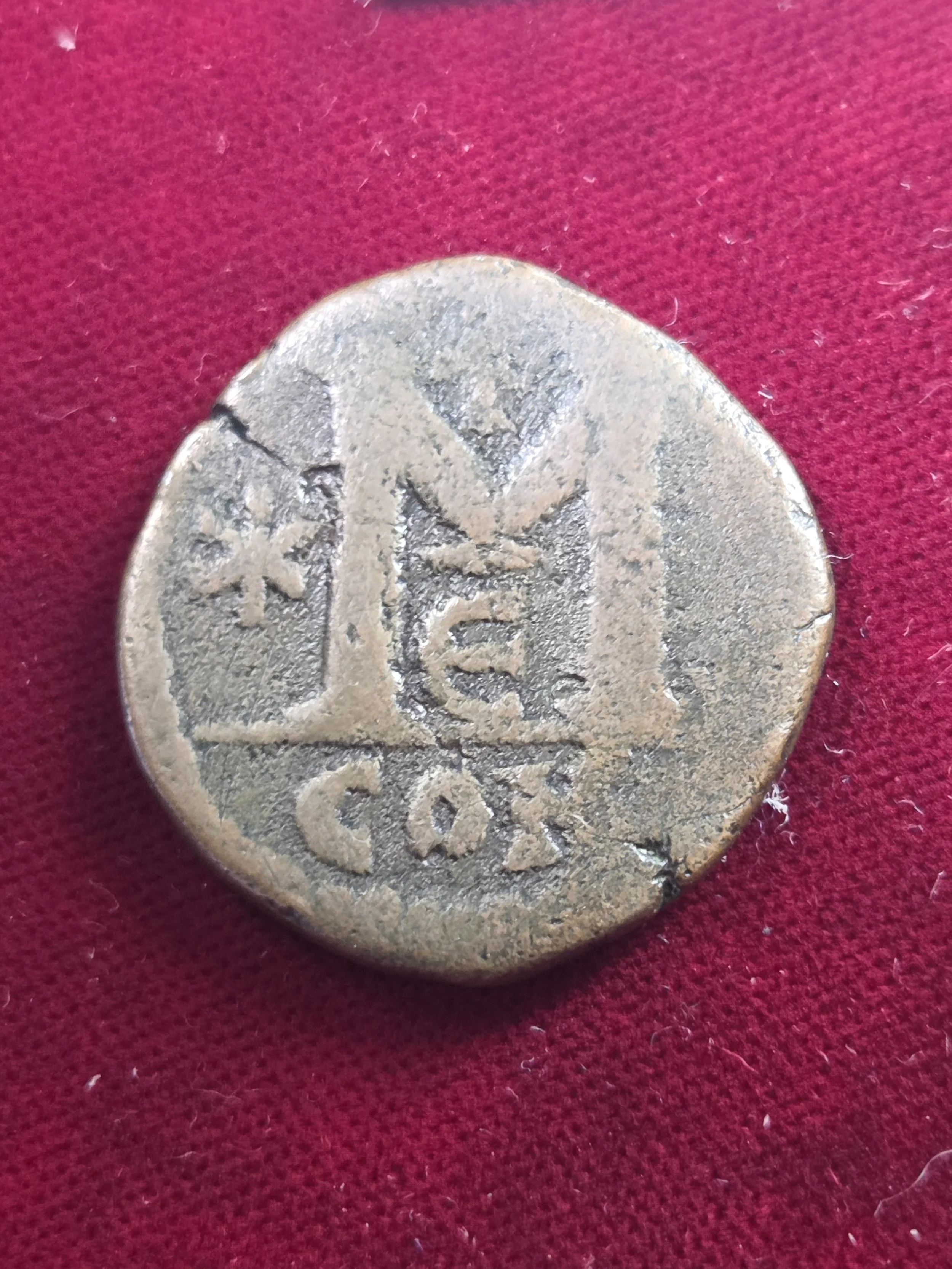
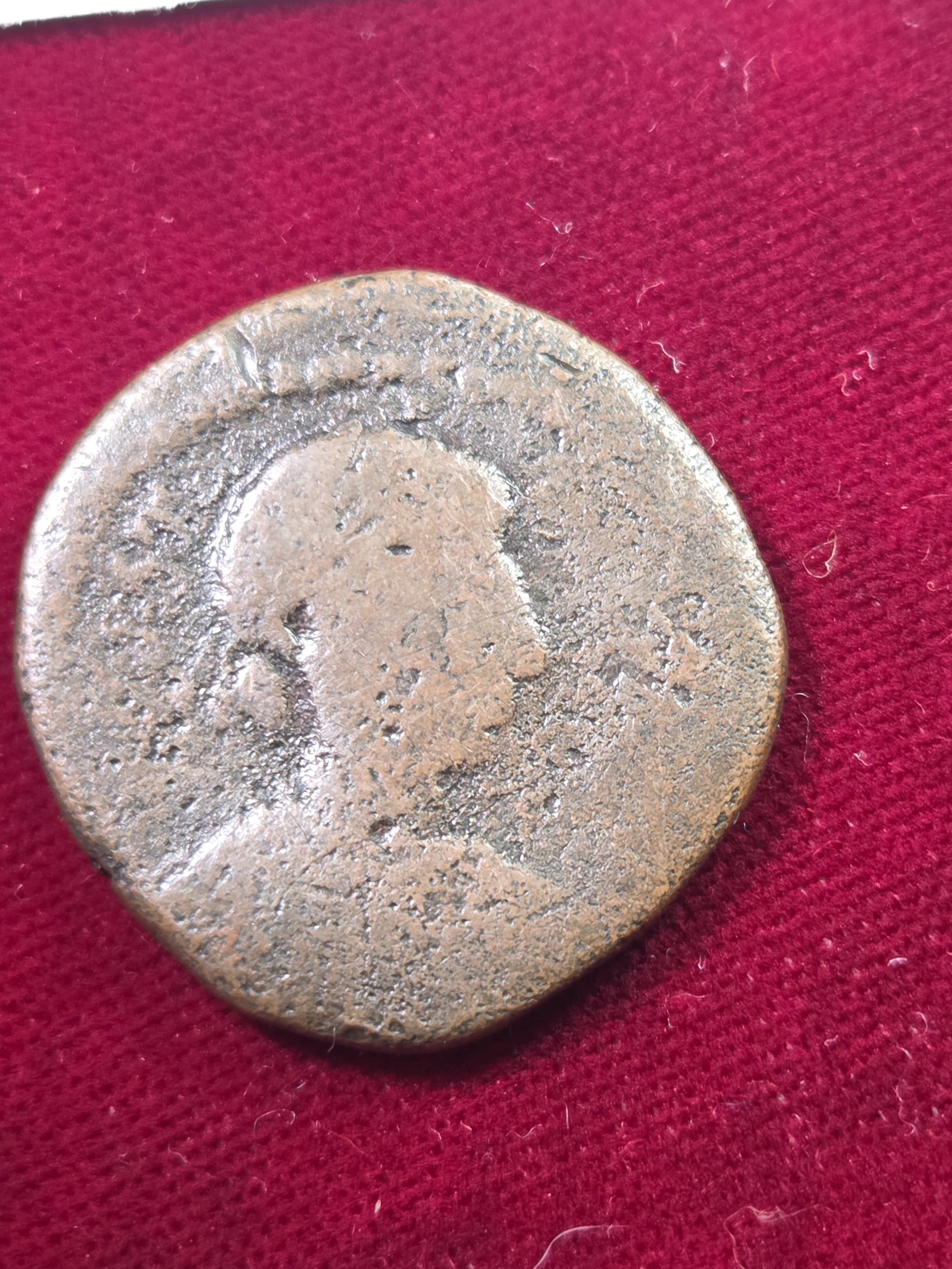
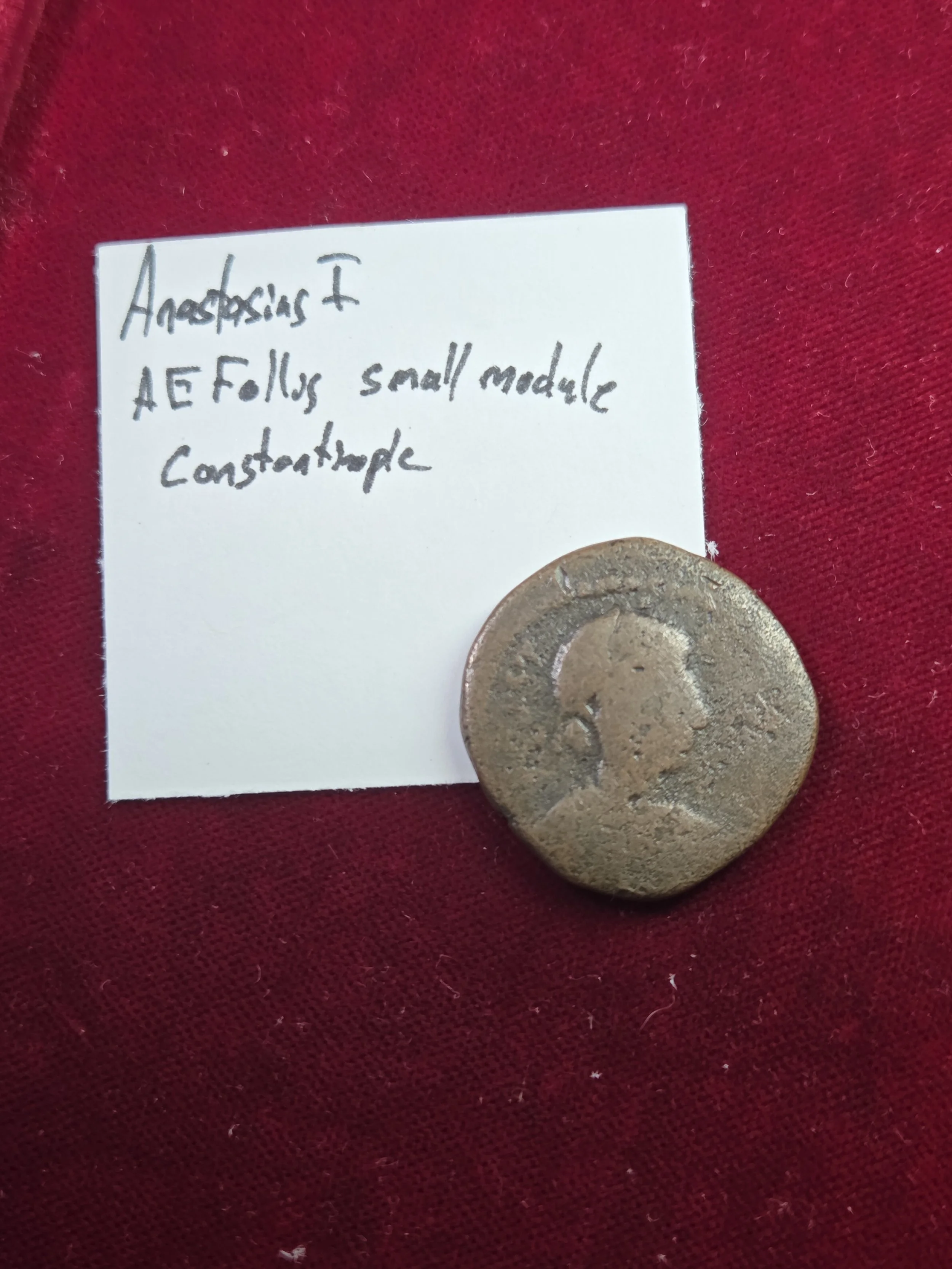
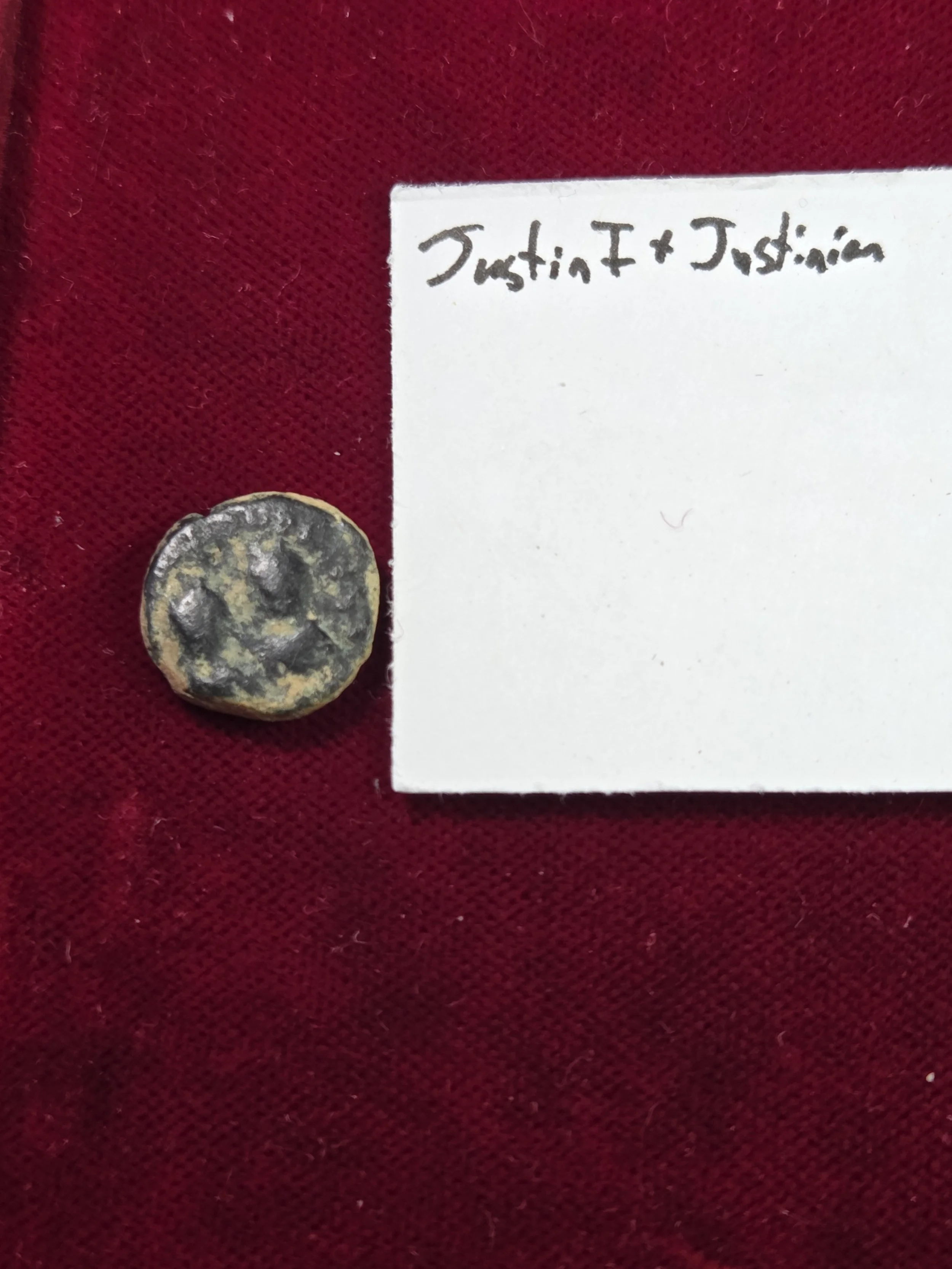
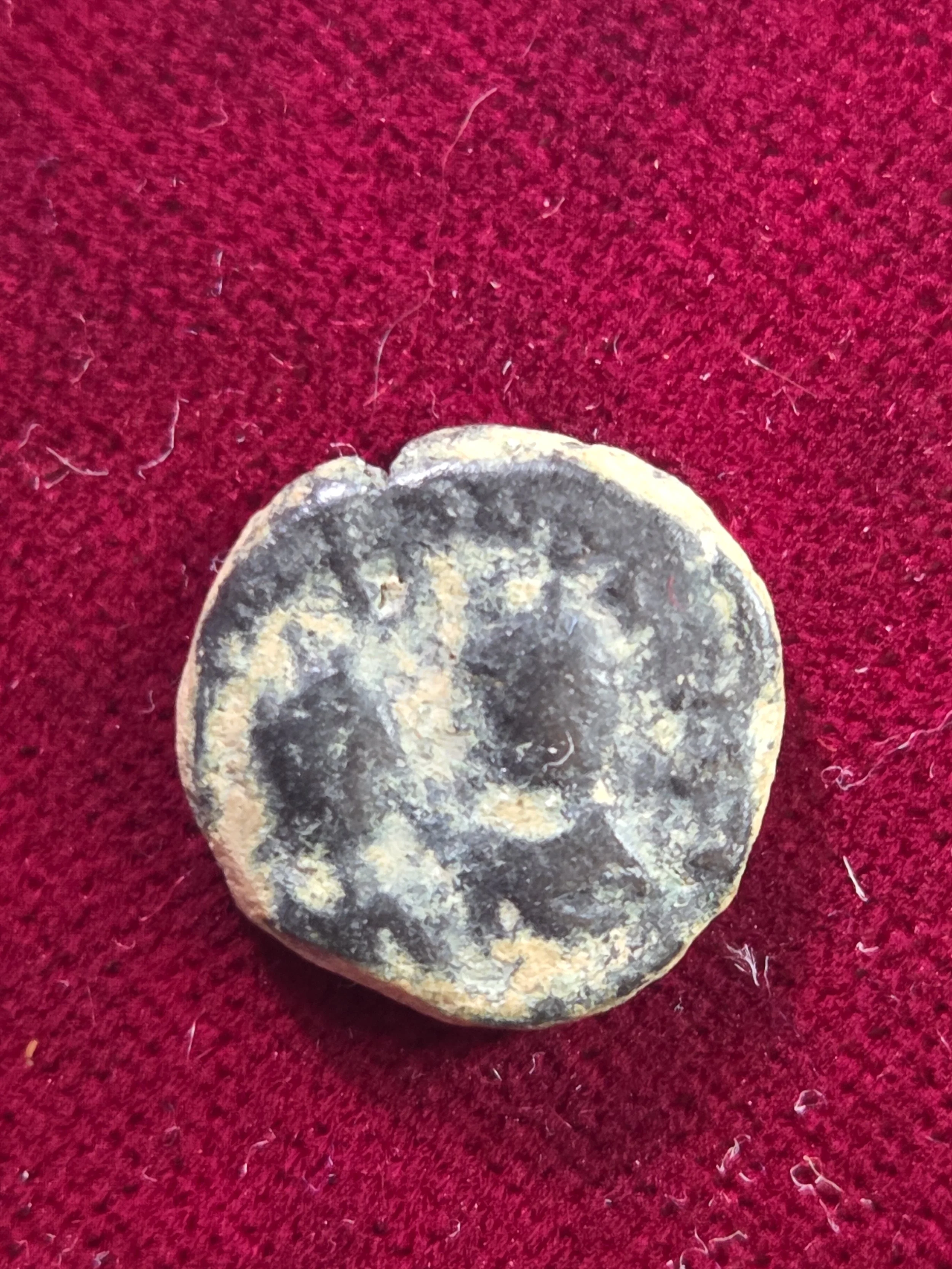
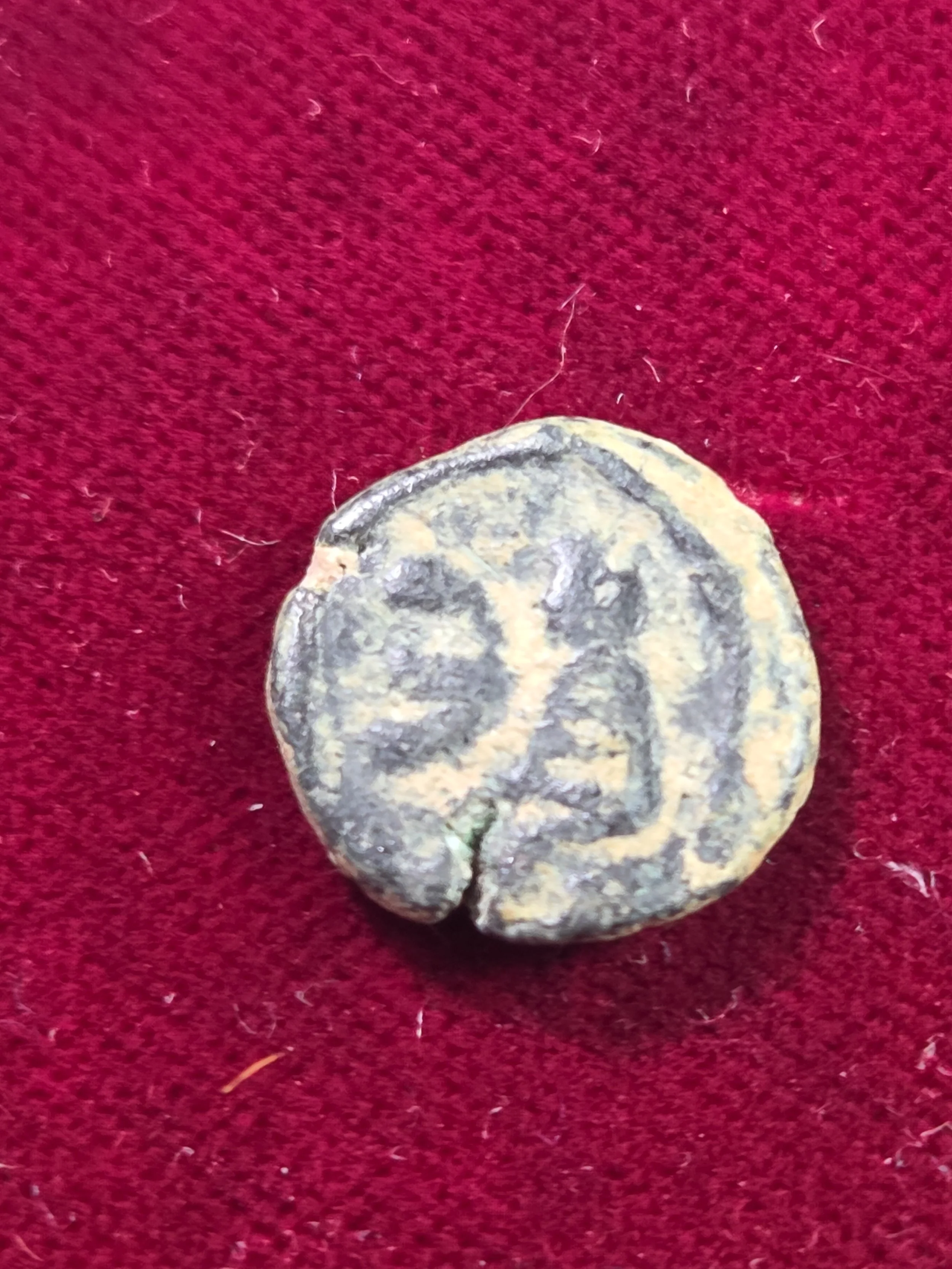
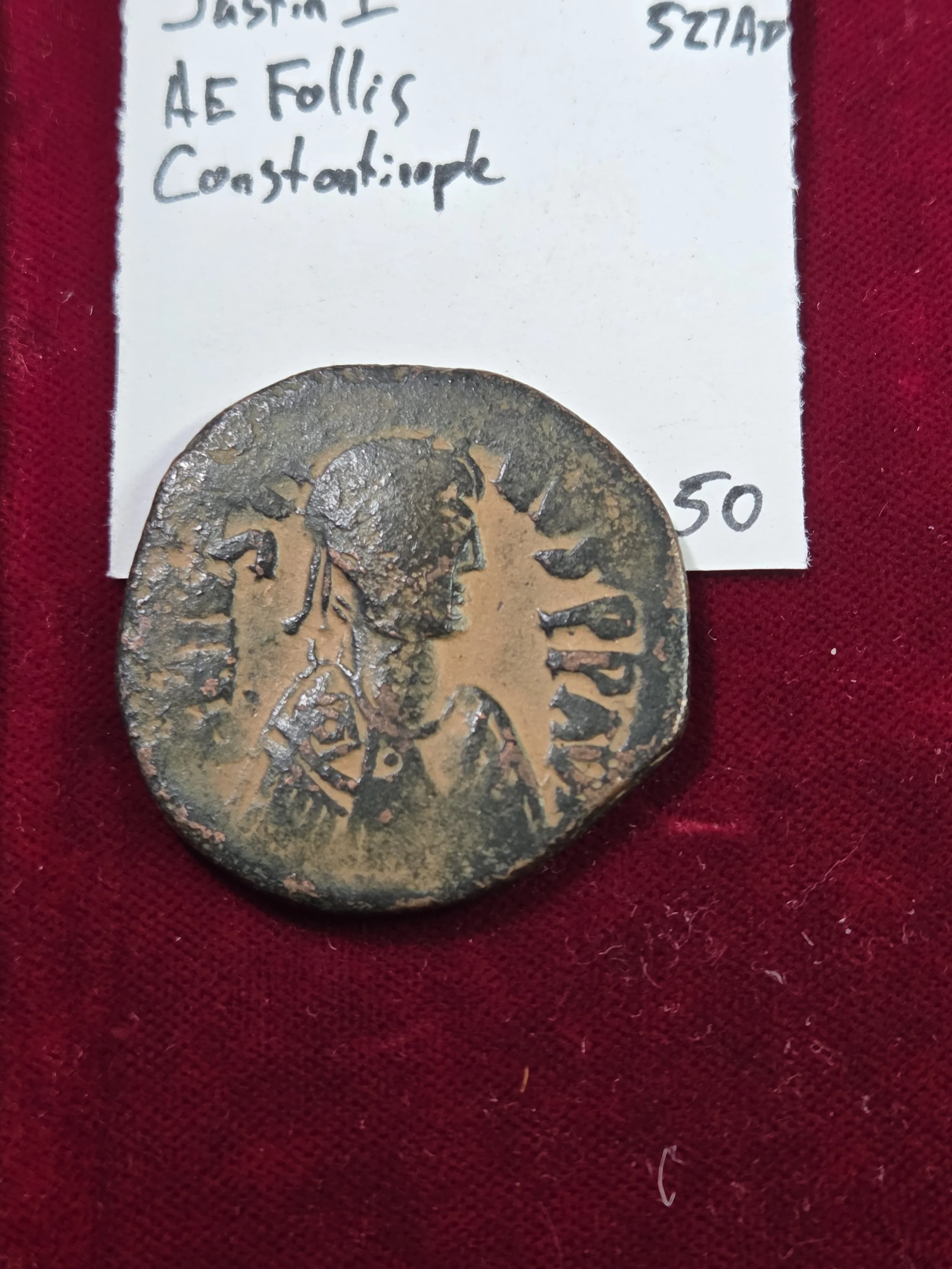
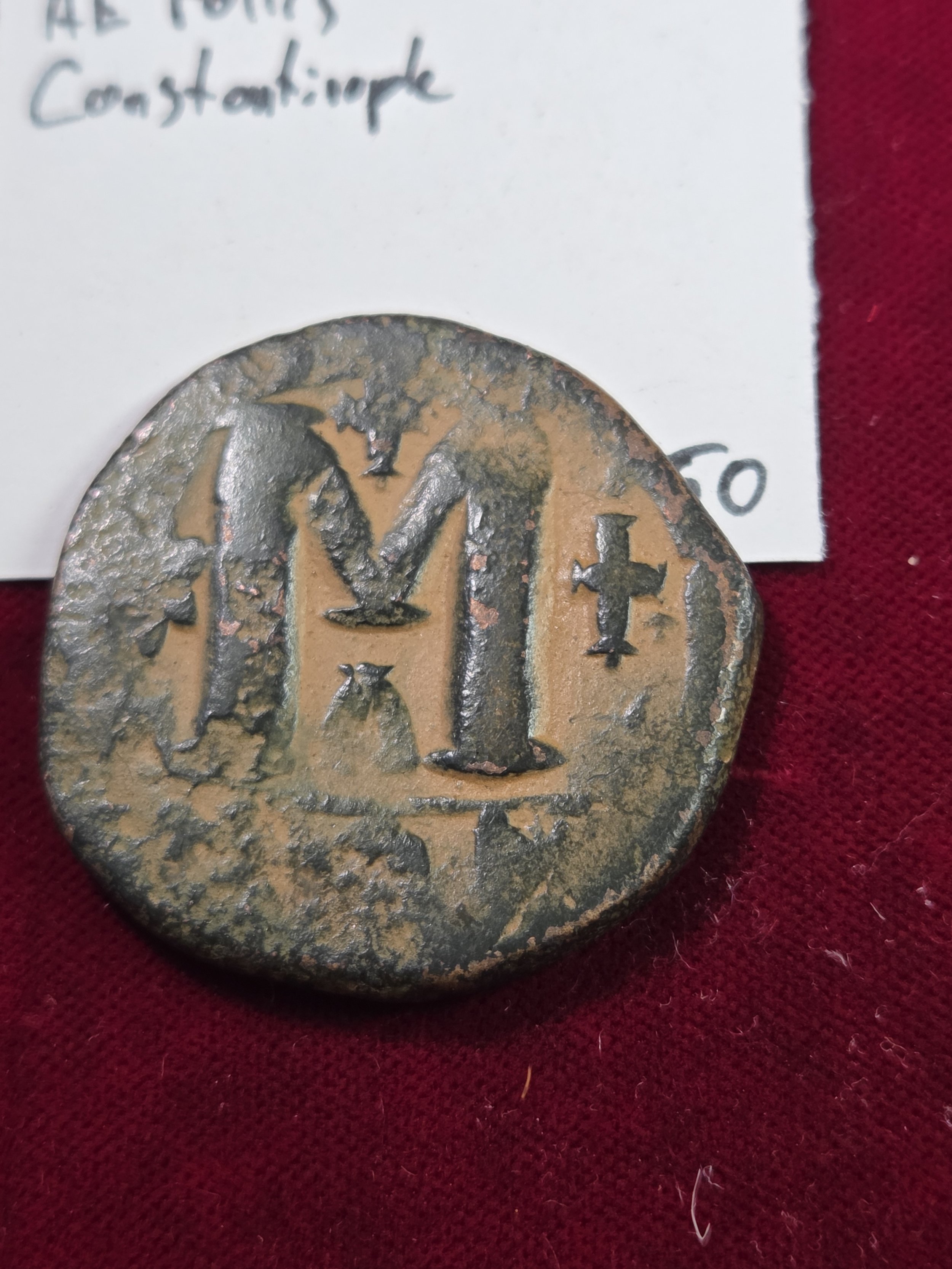
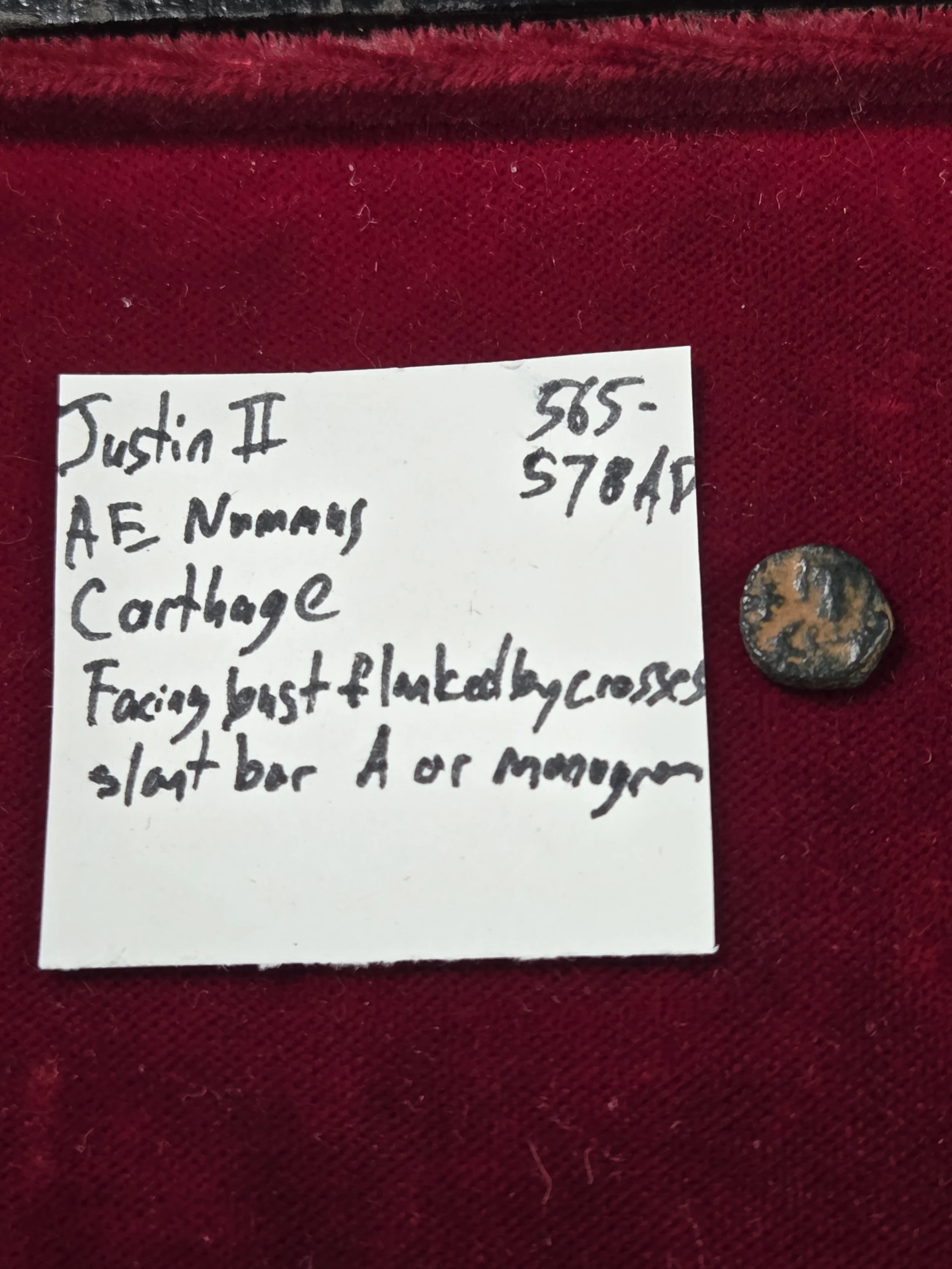
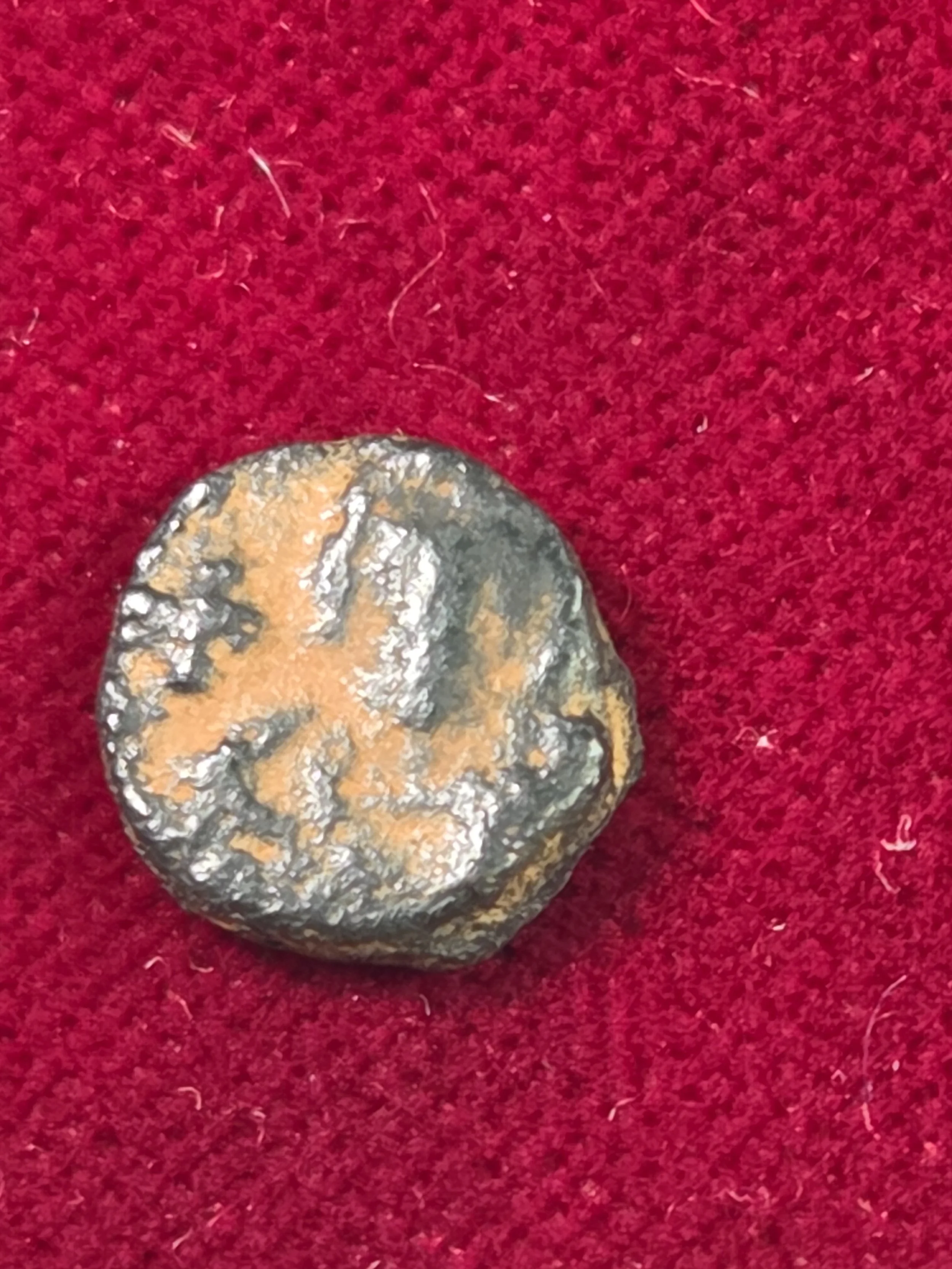
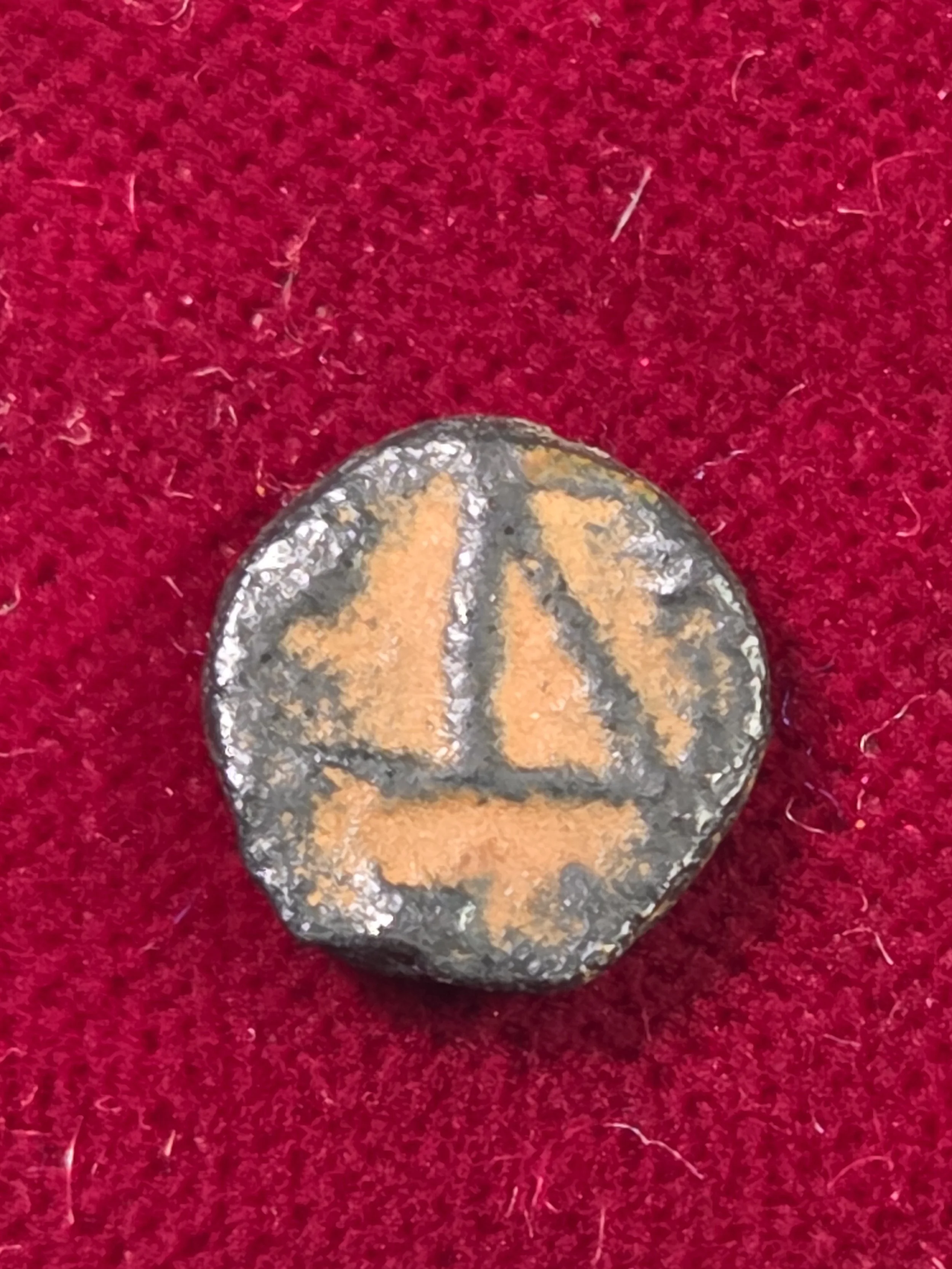
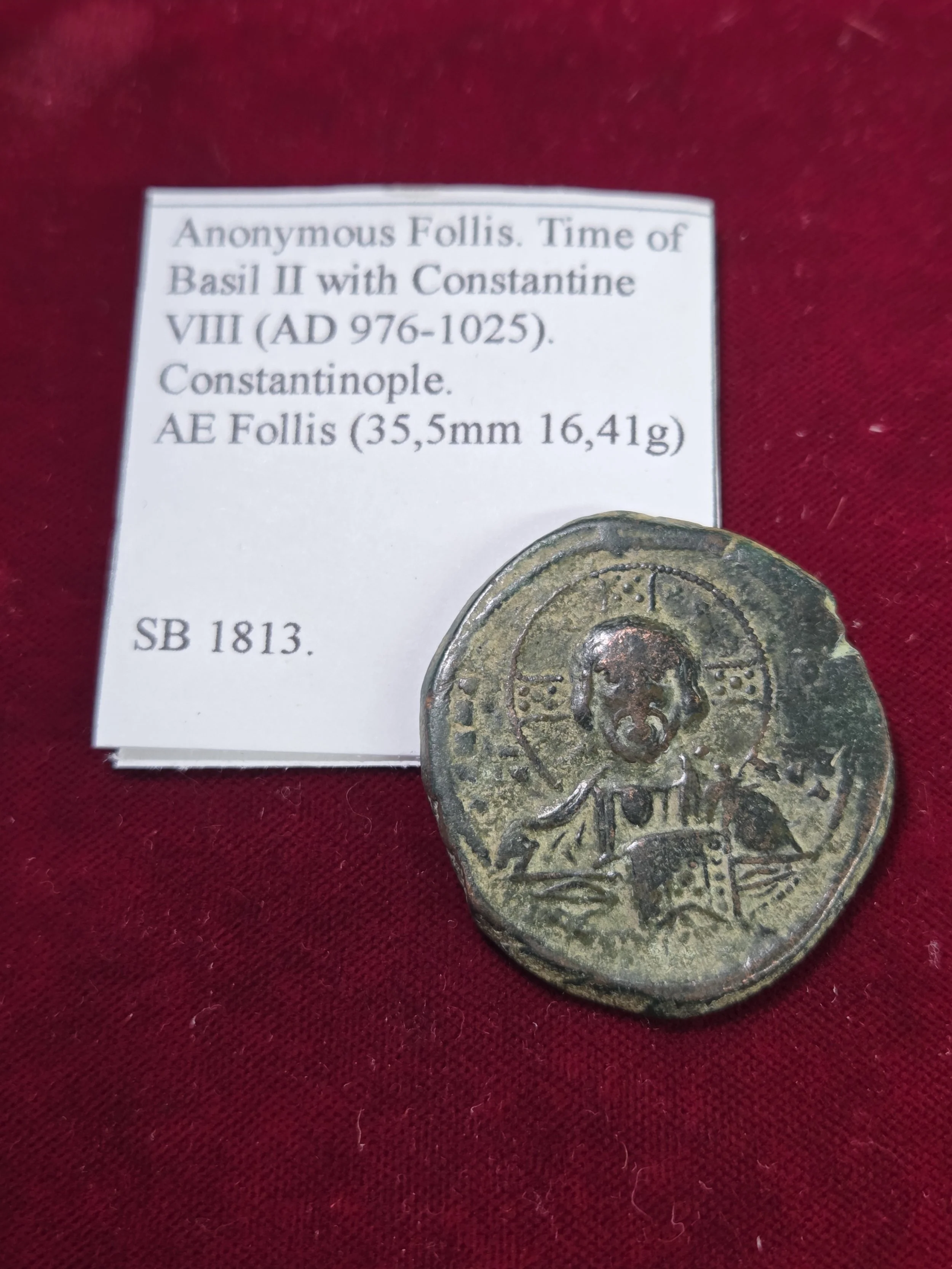
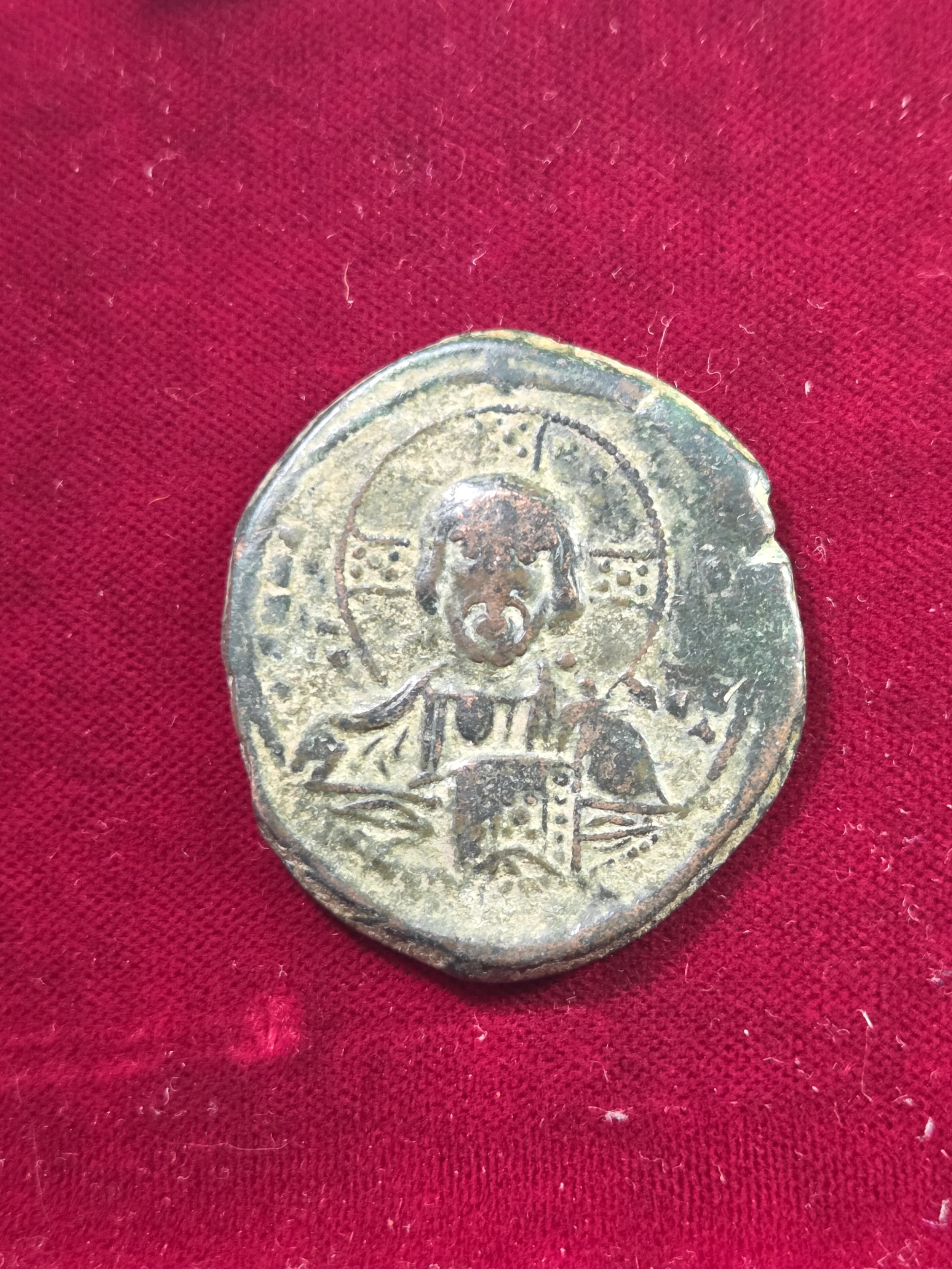
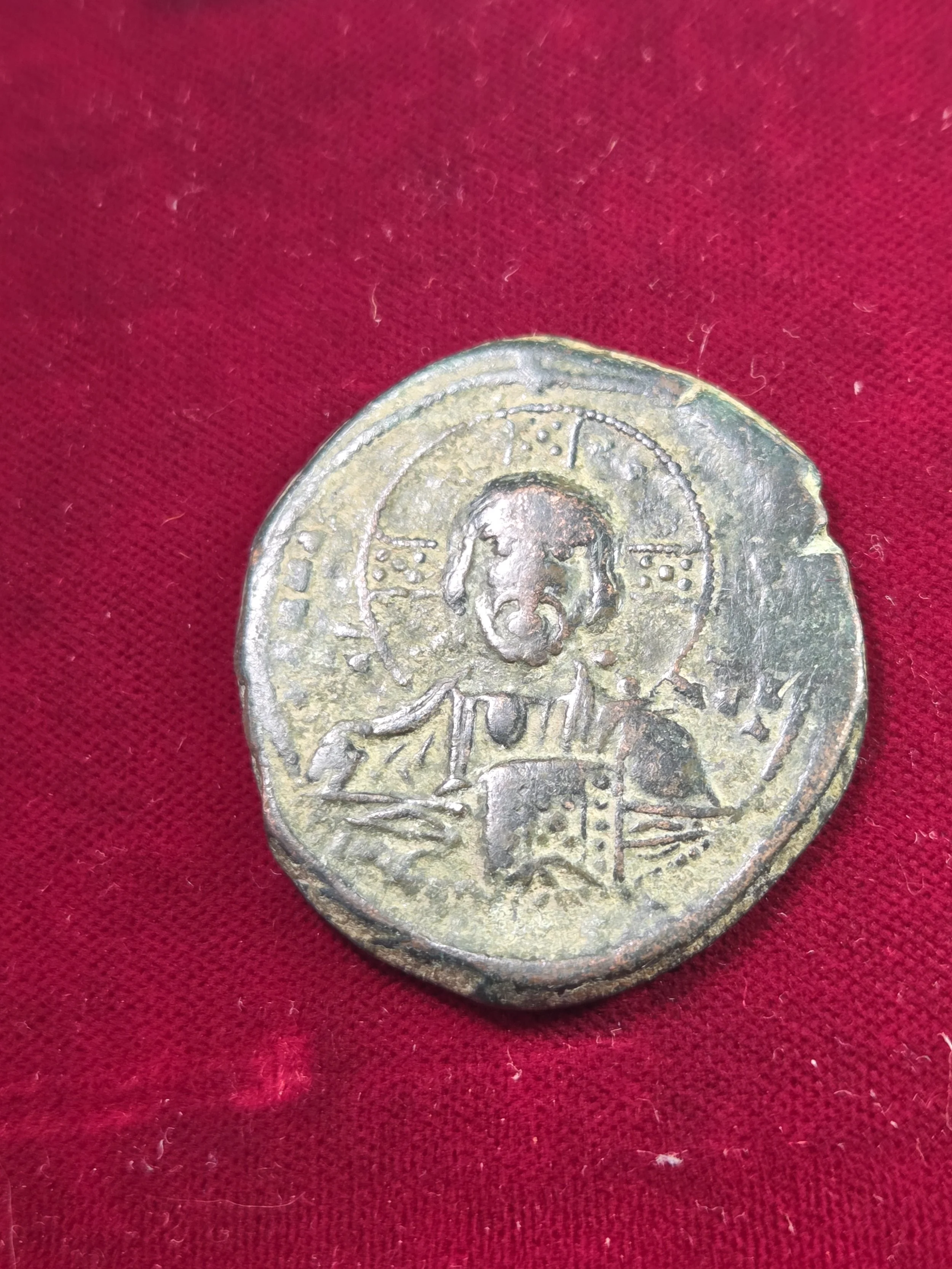
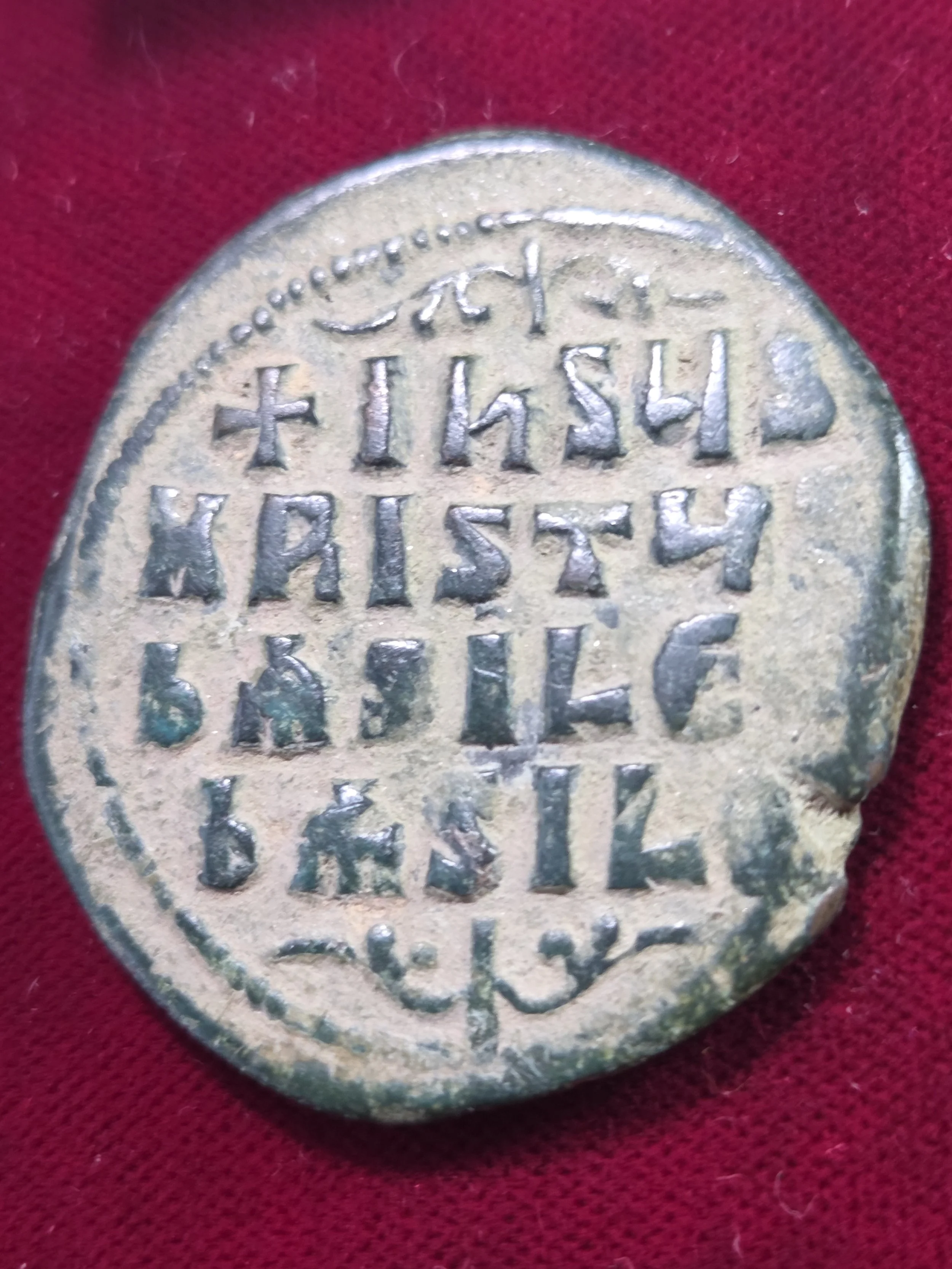
All / Byzantine Clear Categories Categories All Judean Gifts for Coin Lovers Byzantine Filters Filter Clear Filter Byzantine Anonymous Follis - Class G $80.00 Byzantine Follis - Heraclus Selucia Isaurae Mint $95.00 Byzantine pentanummium - Justinian Antioch Mint $40.00 Byzantine Half Follis - Maurice Tiberius Carthage Mint $40.00 Byzantine Follis - Justinian Constantinople Mint $60.00 Byzantine decanummium - Justin II Antioch Mint, victory crowning $50.00 Byzantine Half Follis - Justinian I Antioch Mint $40.00 Byzantine Follis - Justinian Constantinople Mint $80.00 Byzantine Follis - Justinian I Antioch Mint $95.00 Byzantine Half Follis - Maurice TIberius Antioch Mint $35.00 Byzantine decanummium - Justinian Ravenna Mint $40.00 Byzantine Follis - Justinian Antioch Mint $50.00 Byzantine pre-reform Follis - Anastasius Constantinople Mint $30.00 Byzantine Follis - Anastasius Constantinople pre-reform $25.00 Byzantine pentanummium - Justin I and Justinian Joint Reign Antioch Mint $50.00 Byzantine Follis - Justin I Constantinople Mint $50.00 Byzantine Nummus - Justin II Carthage Mint $75.00 Byzantine Anonymous Follis Class A2 $110.00 Byzantine pentanummium - Justin I $35.00 No results found No results match your search. Try removing a few filters.